FounderHQ Blog
Growth, without a growth team.
Practical playbooks on acquisition, launch strategy, retention, and pricing — for early-stage teams shipping their own growth.
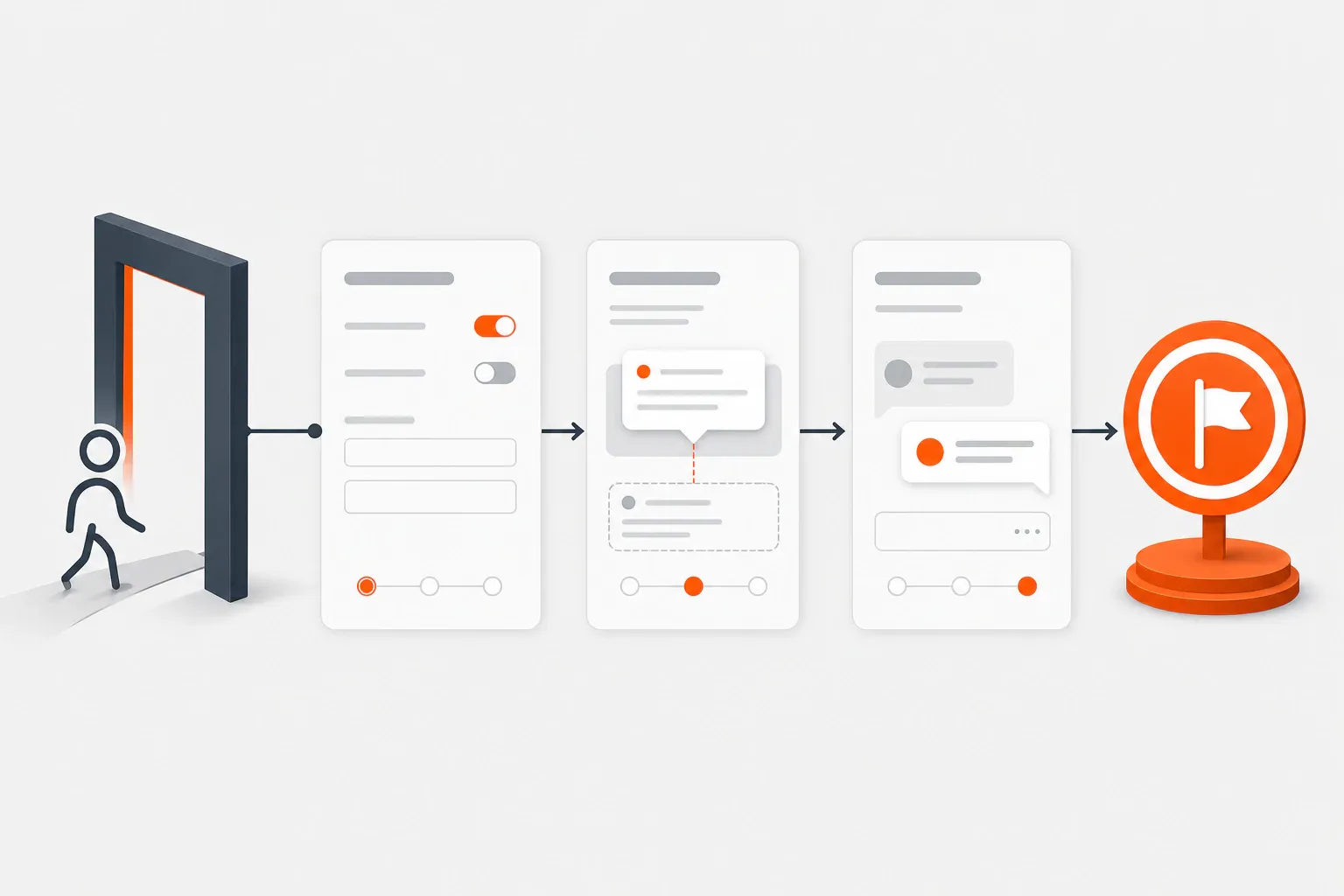
Application Onboarding Process: Definition, Steps, and When to Use It
A practical seven-step application onboarding process for moving new users from signup to first meaningful value without unnecessary setup or generic tours.
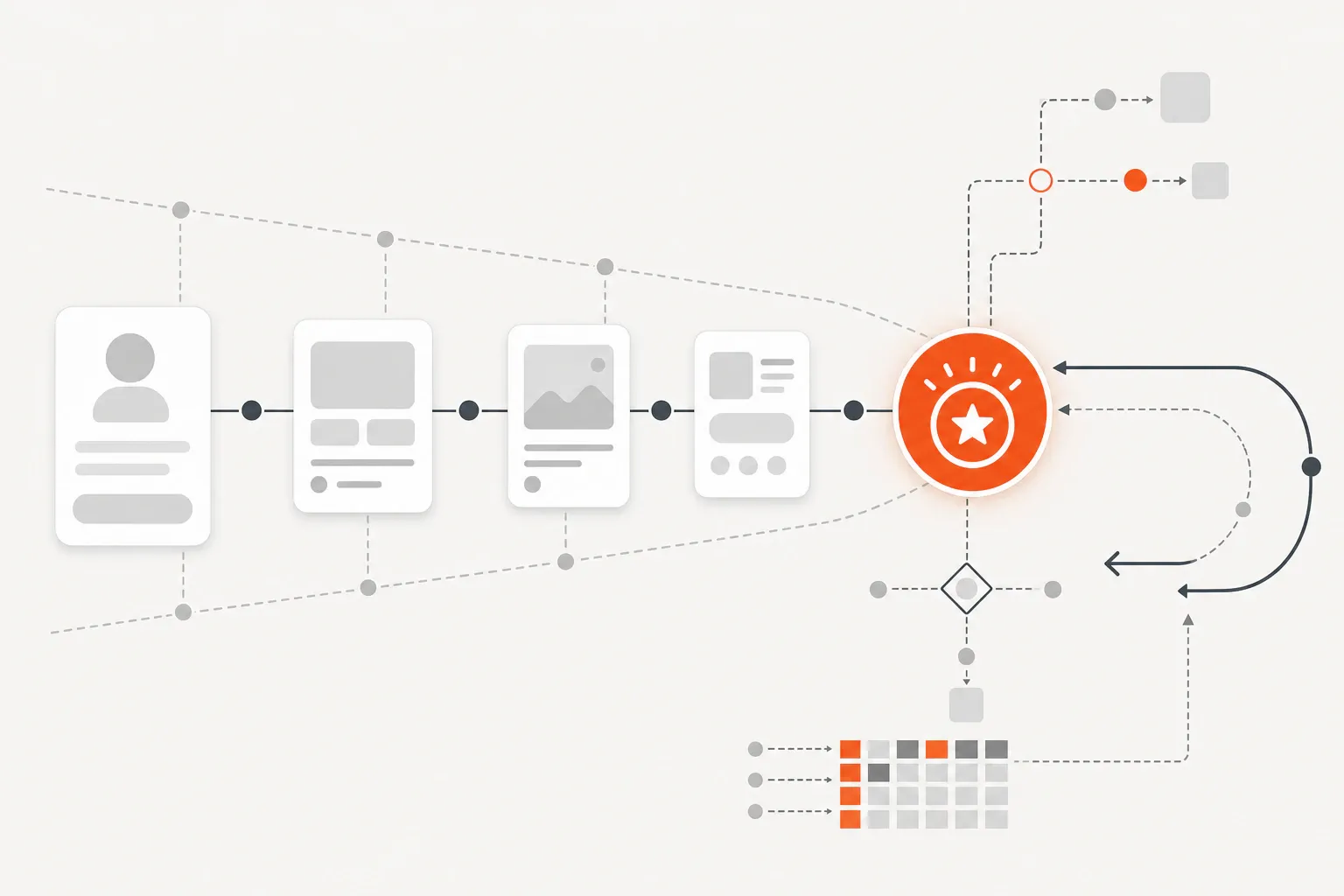
In-App Analytics for Onboarding: Definition, Metrics, and When to Use It
In-app analytics for onboarding turns events, funnels, segments, and user feedback into decisions about the path from signup to first value.

In-App Guidance for Onboarding: Definition, Examples, and When to Use It
In-app guidance helps users complete meaningful tasks inside a product. This guide explains the main patterns and how to match each one to an onboarding blocker.
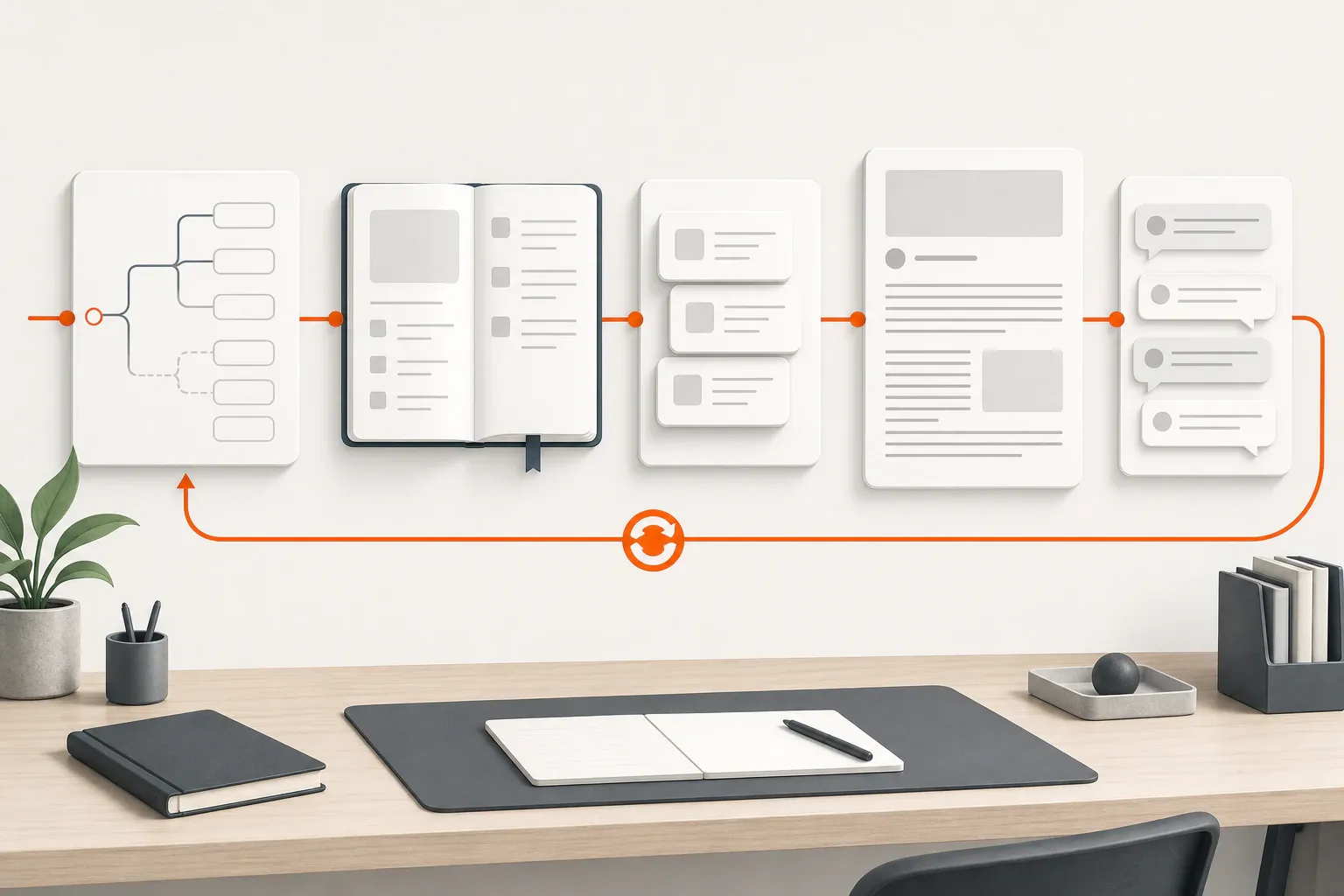
What Is FounderHQ? Definition, Features, and When to Use It
FounderHQ at getfounderhq.com is a founder-controlled growth operating system for early-stage teams. This guide explains its connected workflows, alternatives, best-fit use case...
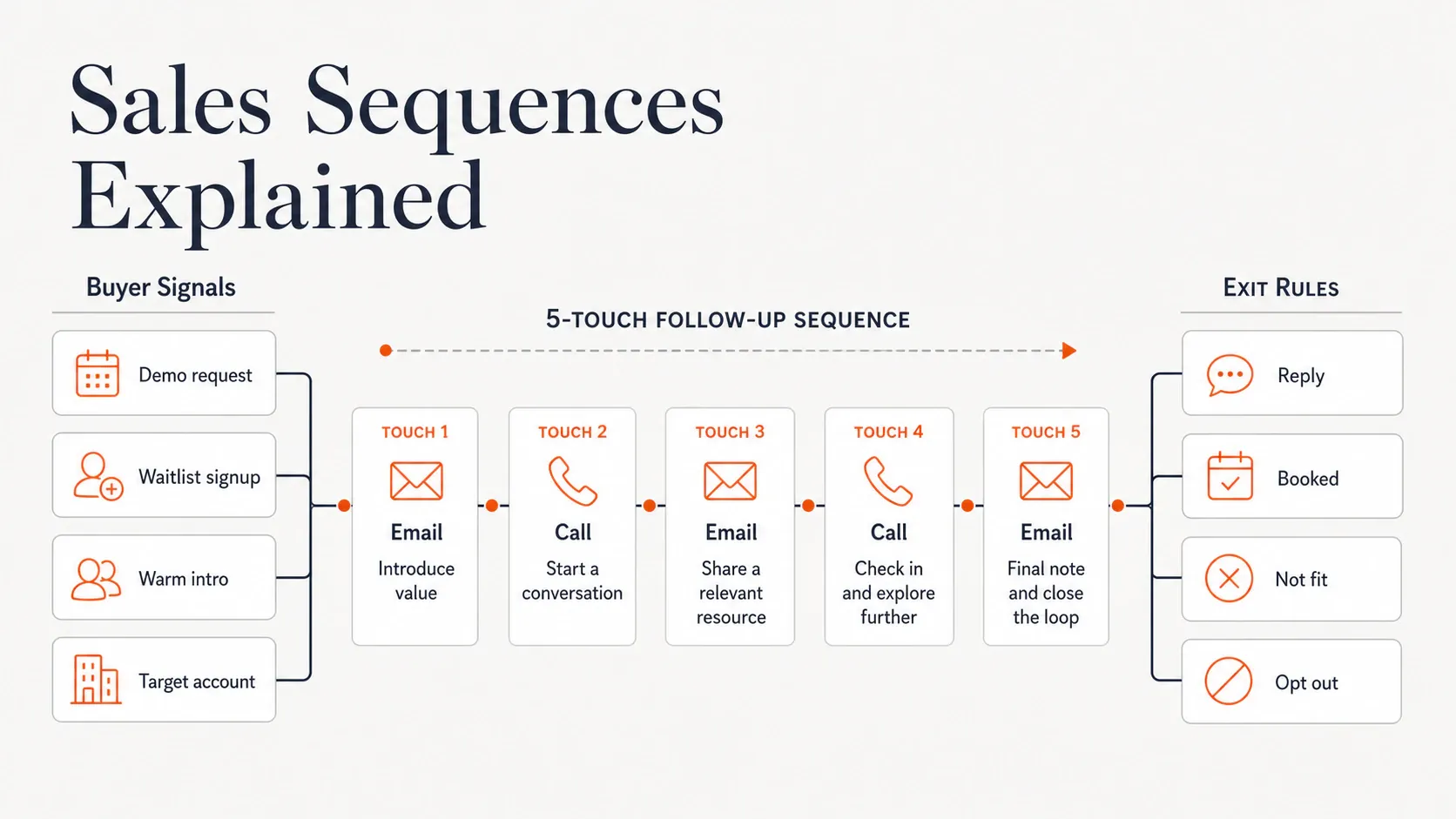
Sales Sequences Explained: Build Follow-Up Around Buyer Signals
A practical guide to sales sequences for early-stage founders: define the buyer signal, choose one next action, write useful follow-up, add exit rules, and review replies weekly.
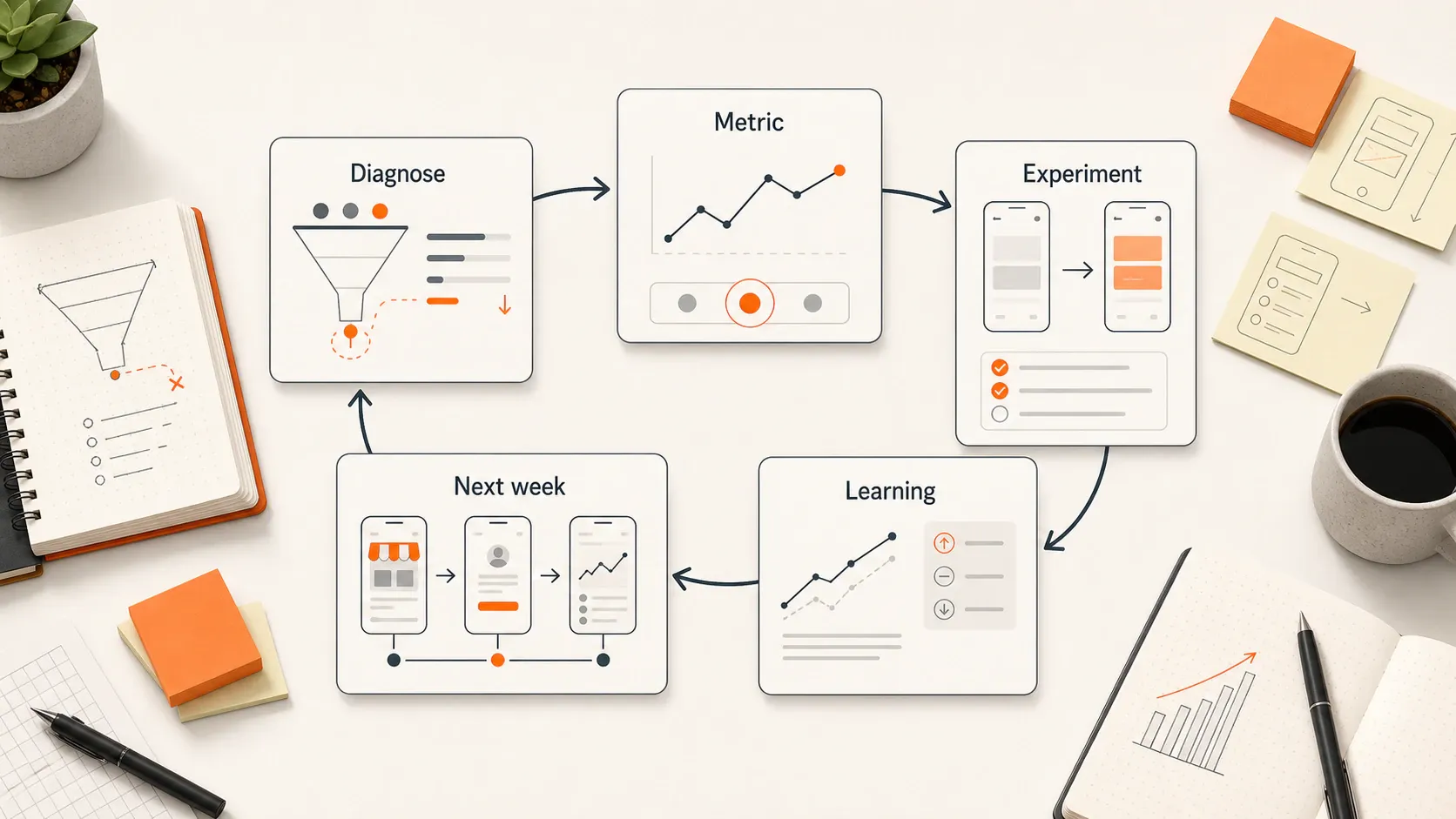
How to Grow My App: Build a Weekly Growth System Before You Add More Channels
A practical guide for early-stage app founders who need a repeatable growth cadence, not another list of channels.
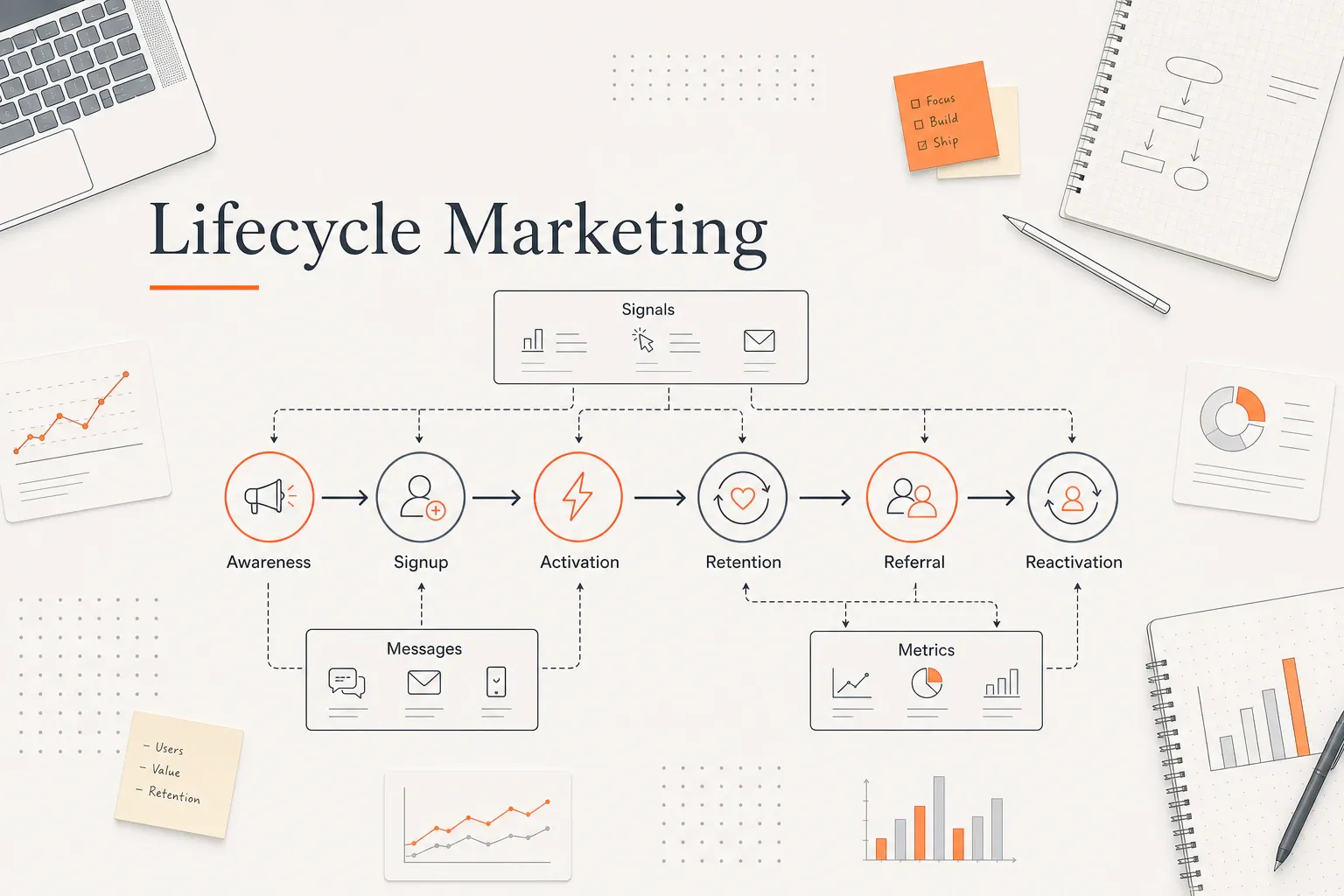
Lifecycle Marketing: Definition, Examples, and When to Use It
Lifecycle marketing is a stage-based system for moving prospects and users to the next meaningful action across awareness, signup, activation, retention, referral, and reactivat...
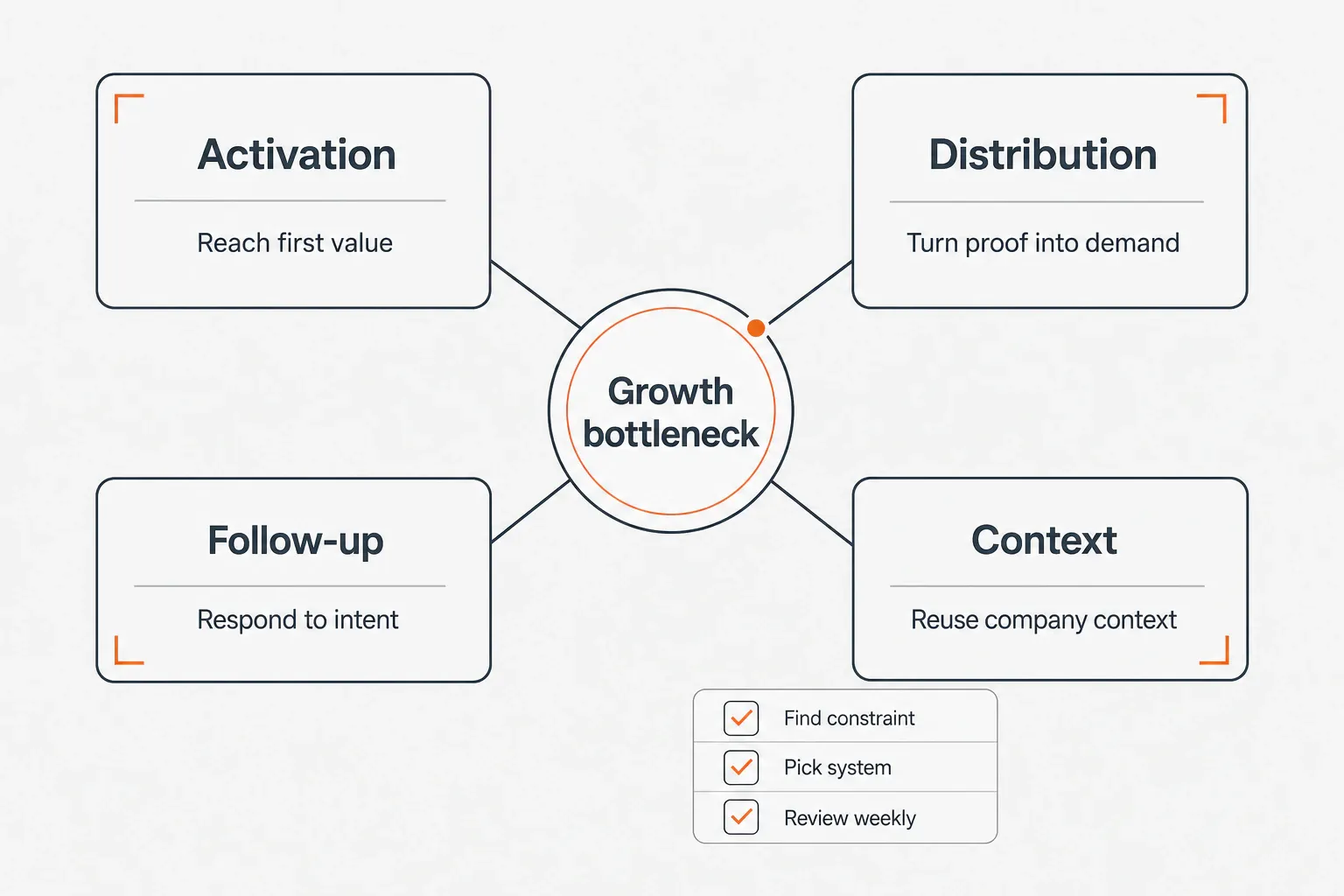
Grow Startup Buyer’s Guide: Choose the Right Growth System
To grow a startup, choose the repeatable growth system that fixes the current bottleneck before adding more channels, tools, or headcount.
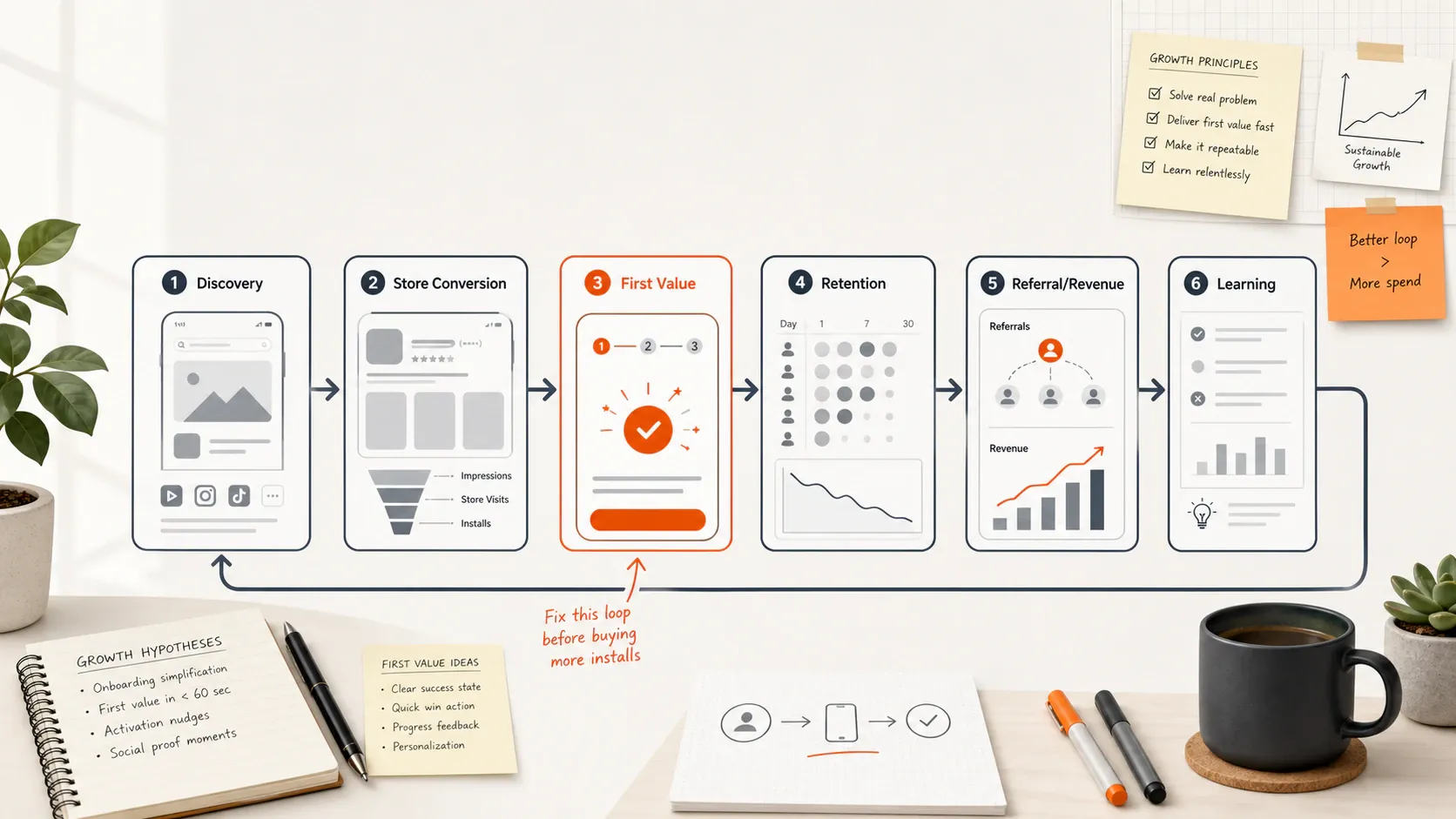
How to Grow My App by Fixing the First-Value Loop Before Buying More Installs
Growing an app is not about stacking more tactics. Use this first-value loop to find the leak, improve activation and retention, then scale the channels that bring qualified users.
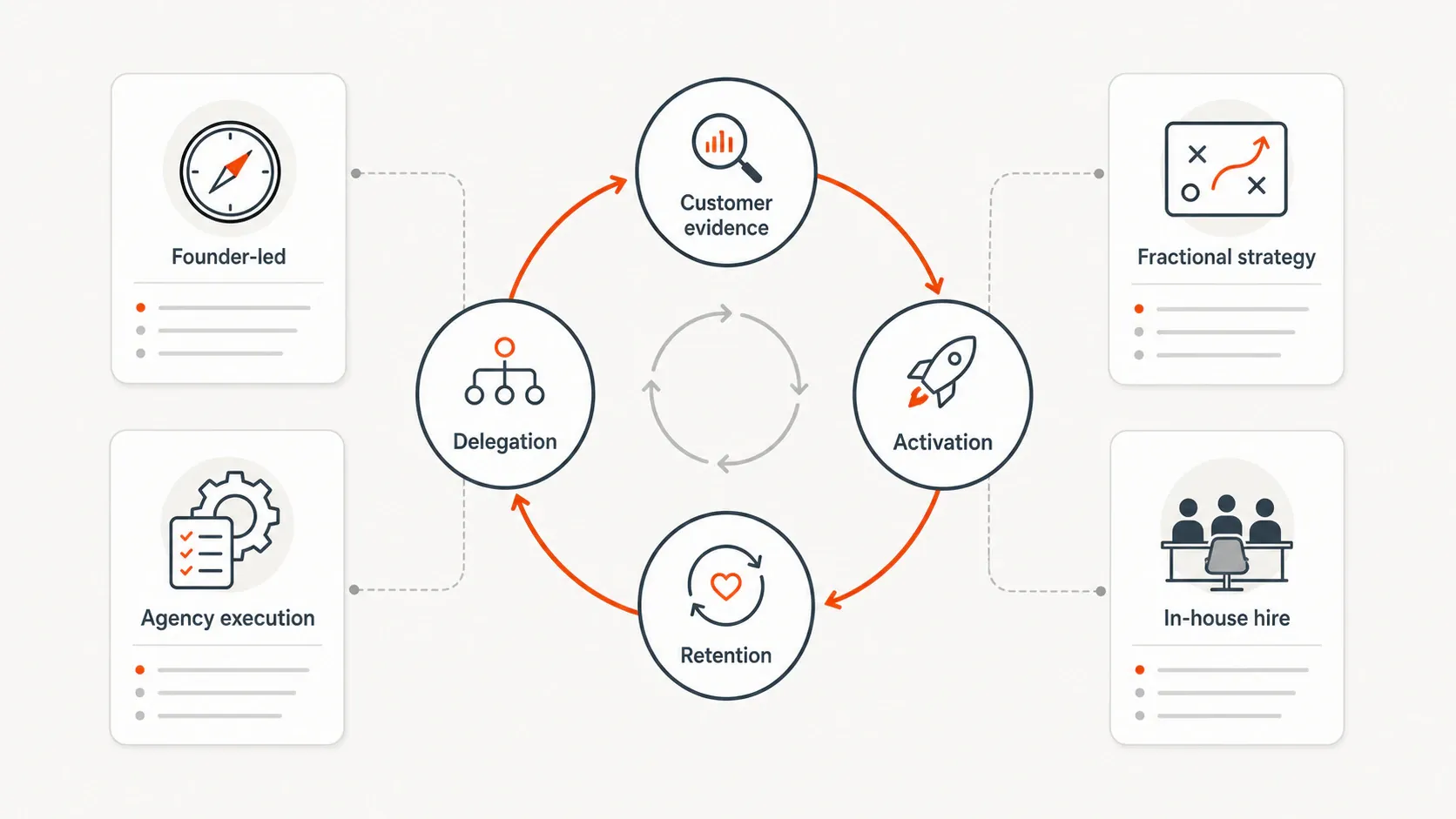
How to Grow a Startup: Choose Who Owns Growth Before You Add More Tactics
Before adding another channel, contractor, or growth tool, decide who should own the growth loop right now: the founder, a fractional strategist, an agency, or a first in-house...
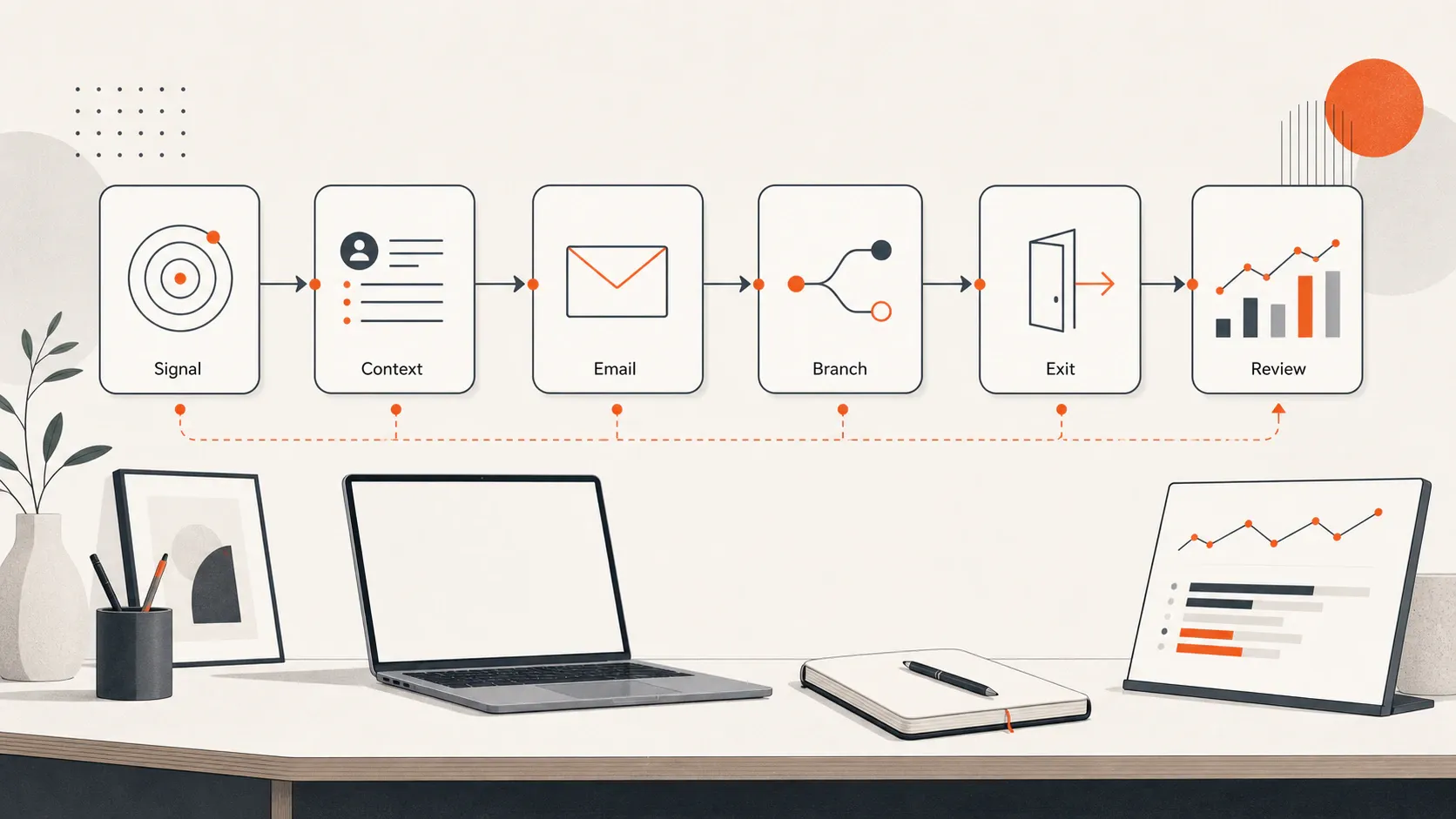
Automated Email Flows: A Founder’s Guide to Behavior-Based Follow-Up
Automated email flows work best when they respond to a real user signal: signup intent, onboarding progress, inactivity, or a product journey answer.
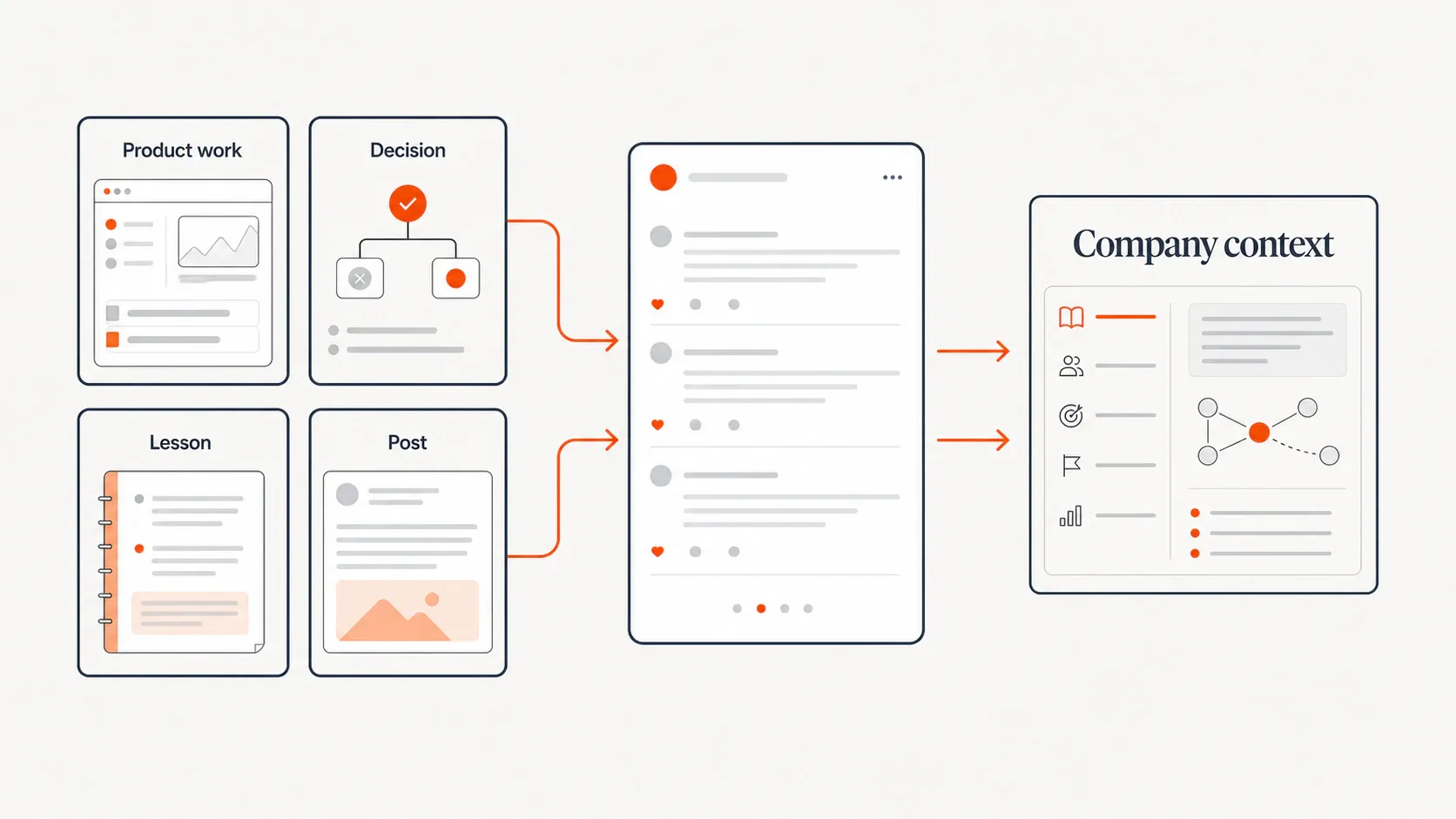
Build in Public as a Founder-Led Content System
Build in public works best when it turns real operating work into useful founder-led content and reusable company context, not when it becomes another forced posting habit.
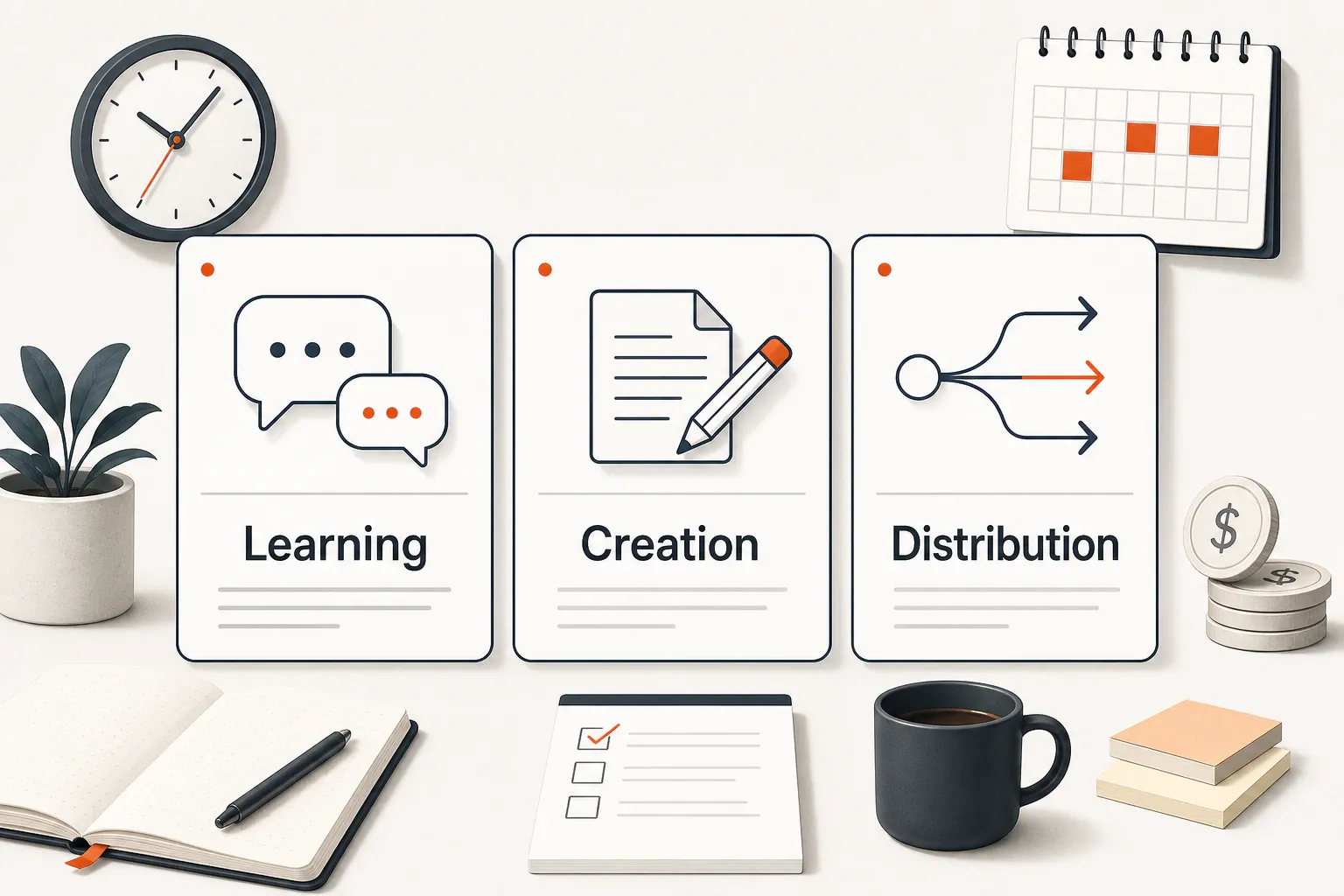
Bootstrap Marketing Budget: What to Spend When Founder Time Is the Real Constraint
Bootstrap marketing is not about spending nothing. It is about treating founder time as the first budget, then using cash only when it amplifies learning, creation, or distribut...
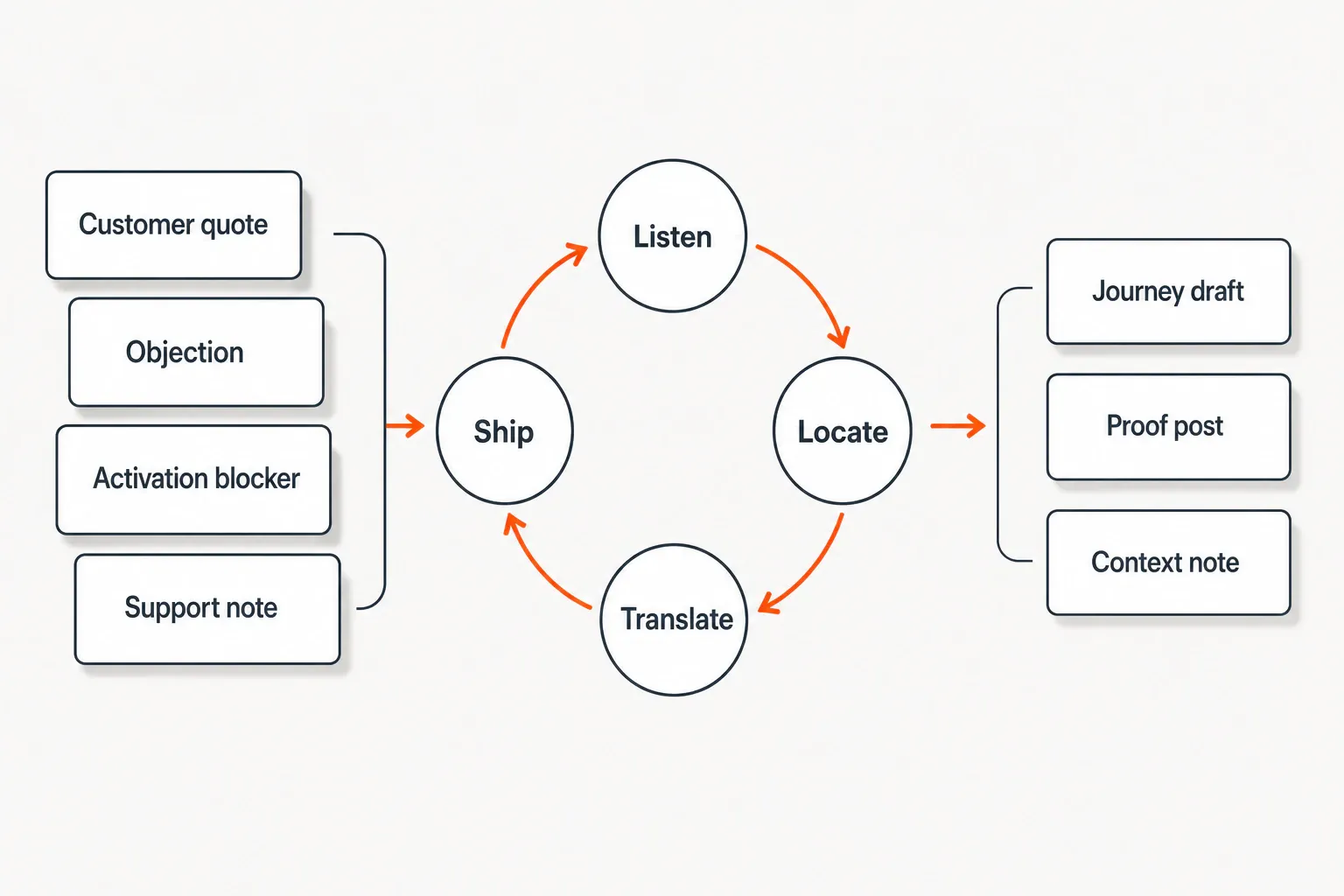
Grow a Startup by Building a Customer-Proof Loop, Not Another Tactics List
To grow a startup, tiny teams should stop choosing channels first. Use this buyer’s guide to identify the customer proof you are missing, then route that evidence into a journey...
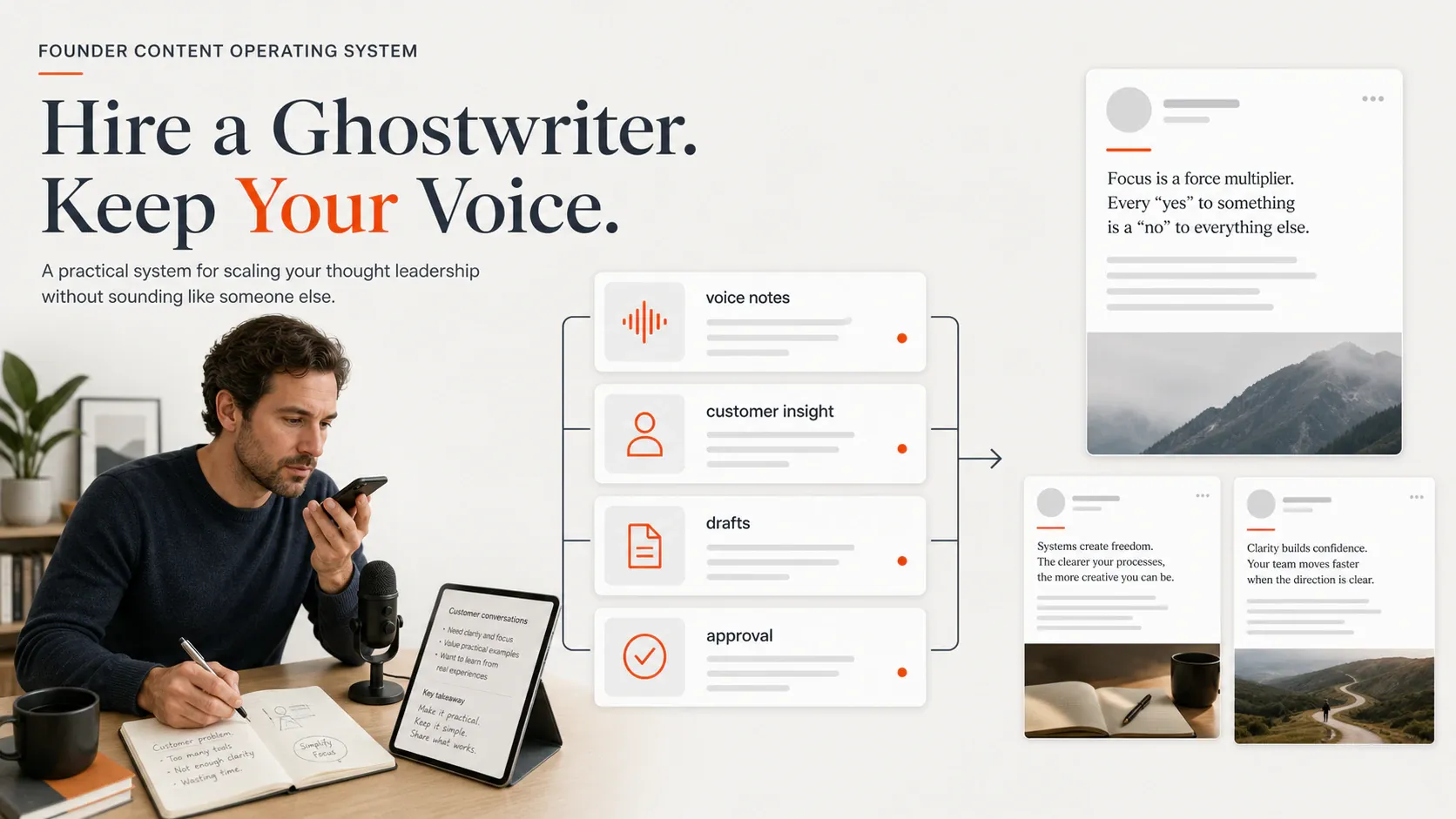
LinkedIn Ghostwriter: A Founder’s Guide to Hiring Without Losing Your Voice
A practical guide for founders deciding whether to hire a LinkedIn ghostwriter, build an AI-assisted workflow, or create a lightweight founder-led content system first.
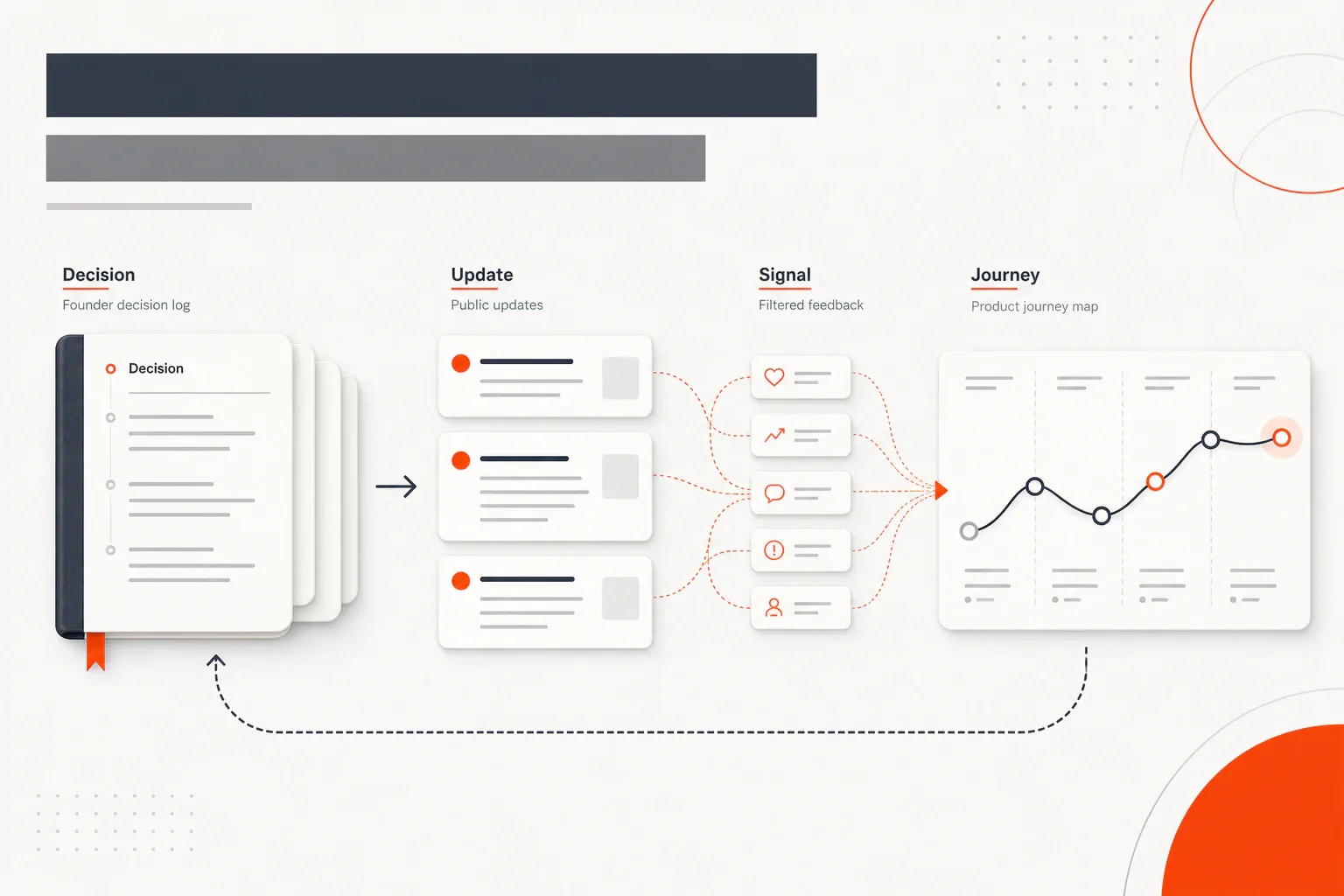
Build in Public Signal Triage: Turn Public Replies Into Better Product Decisions
Build in public works best after the post goes live. This guide shows founders how to triage replies, separate useful signal from noise, and route the strongest learning into pr...
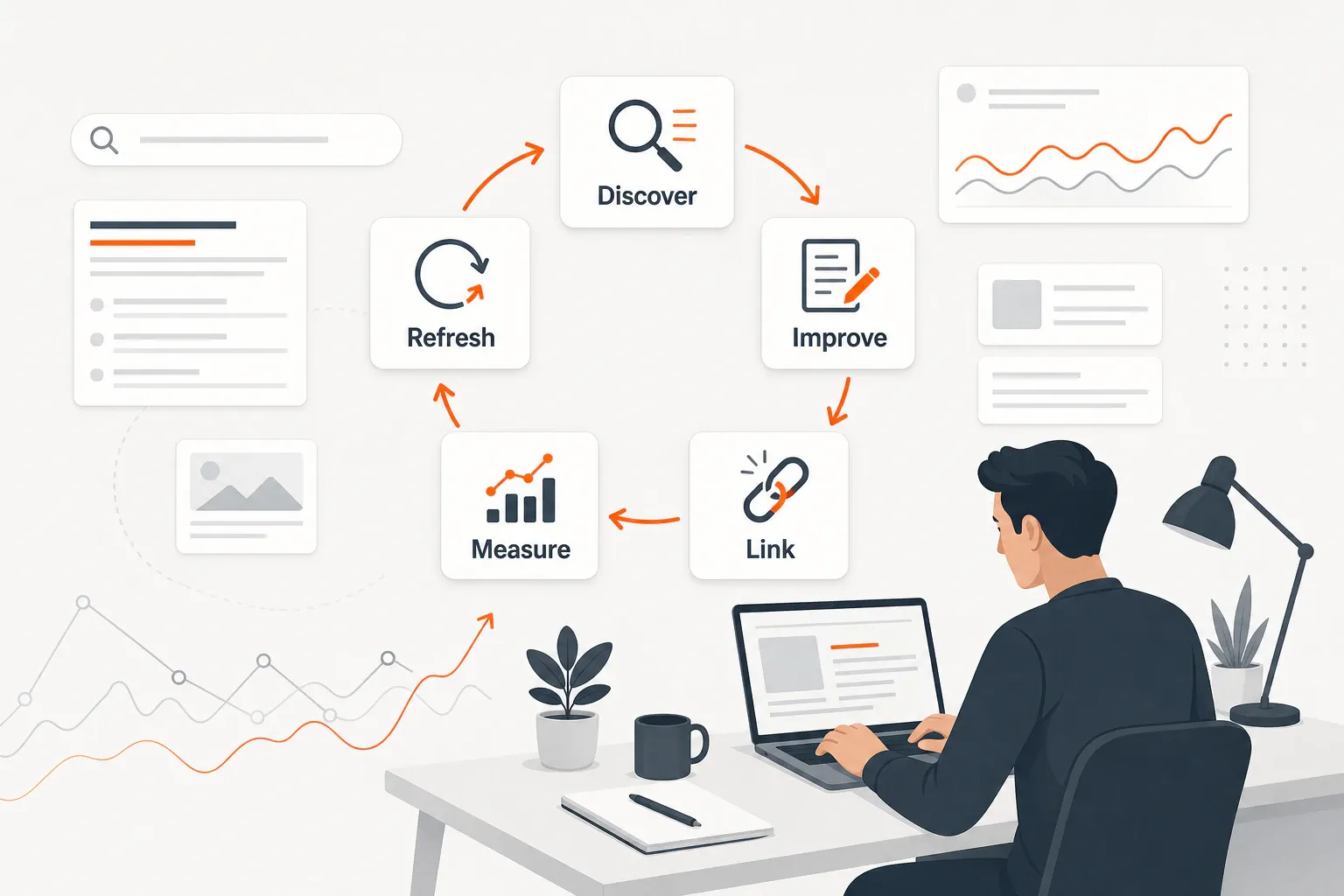
Boost SEO With a Lean Founder Publishing Loop
Boost SEO without chasing random tactics. Use this lean weekly loop to find search signal, fix crawl and indexation basics, improve useful pages, add internal links, and refresh...
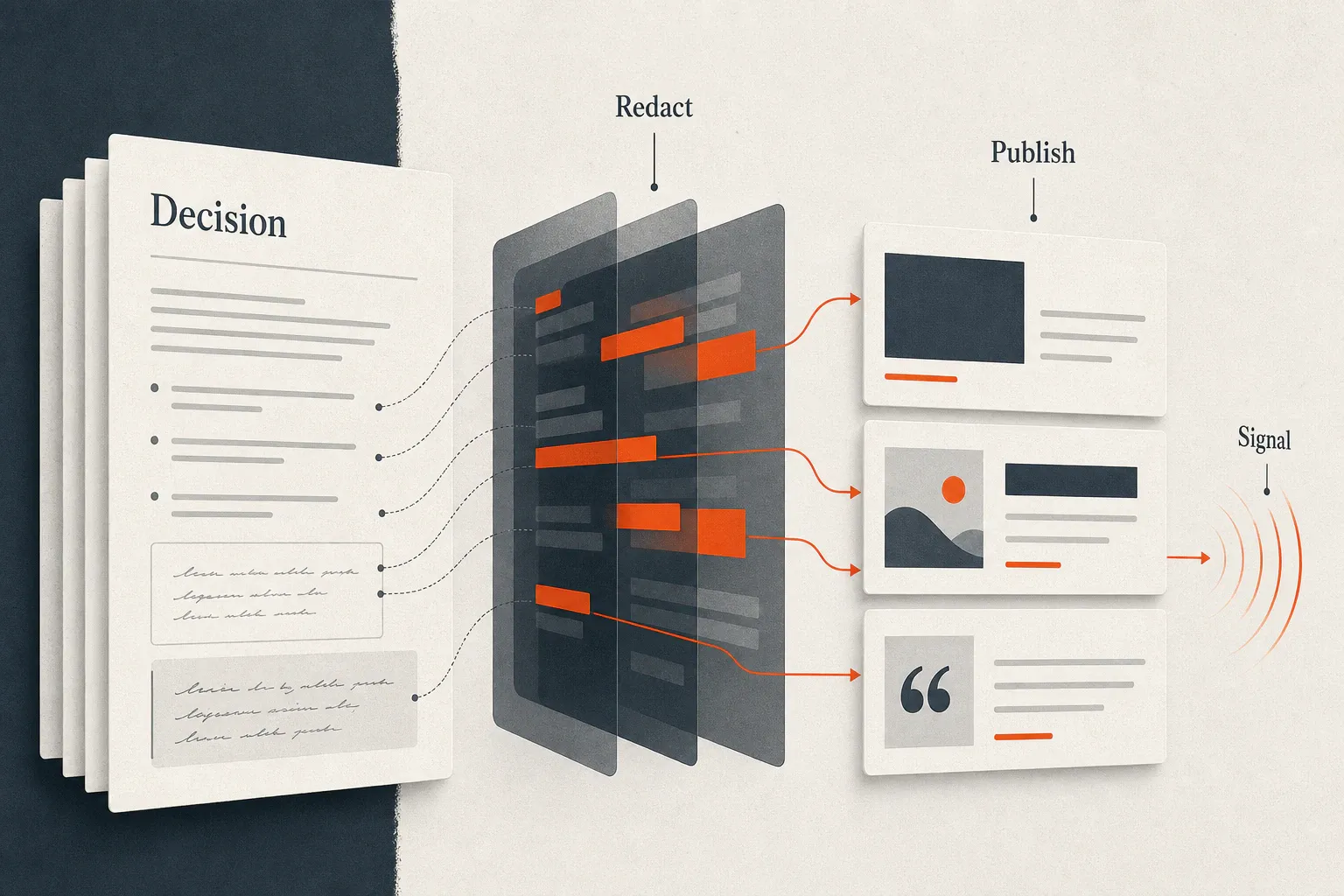
Build in Public as a Founder Decision Log, Not a Performance Habit
Build in public works best when it starts from real product decisions, not a blank content calendar. Here is a lightweight decision-log system founders can use to publish useful...
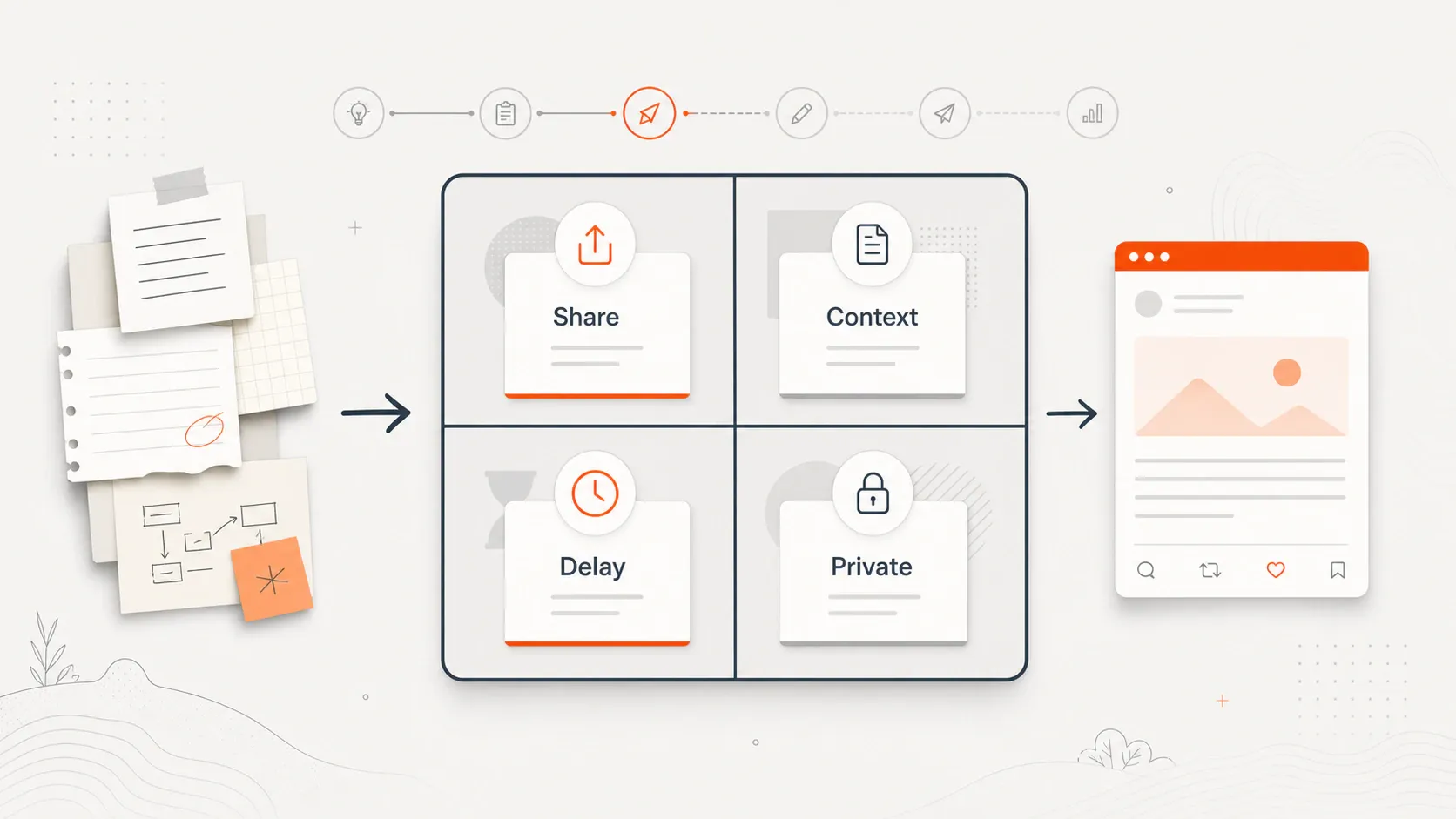
Build in Public Without Leaking Your Strategy: A Practical Sharing Map for Founders
Build in public works best as selective transparency, not an open company diary. Use this four-zone sharing map to publish useful founder-led content without exposing customer d...
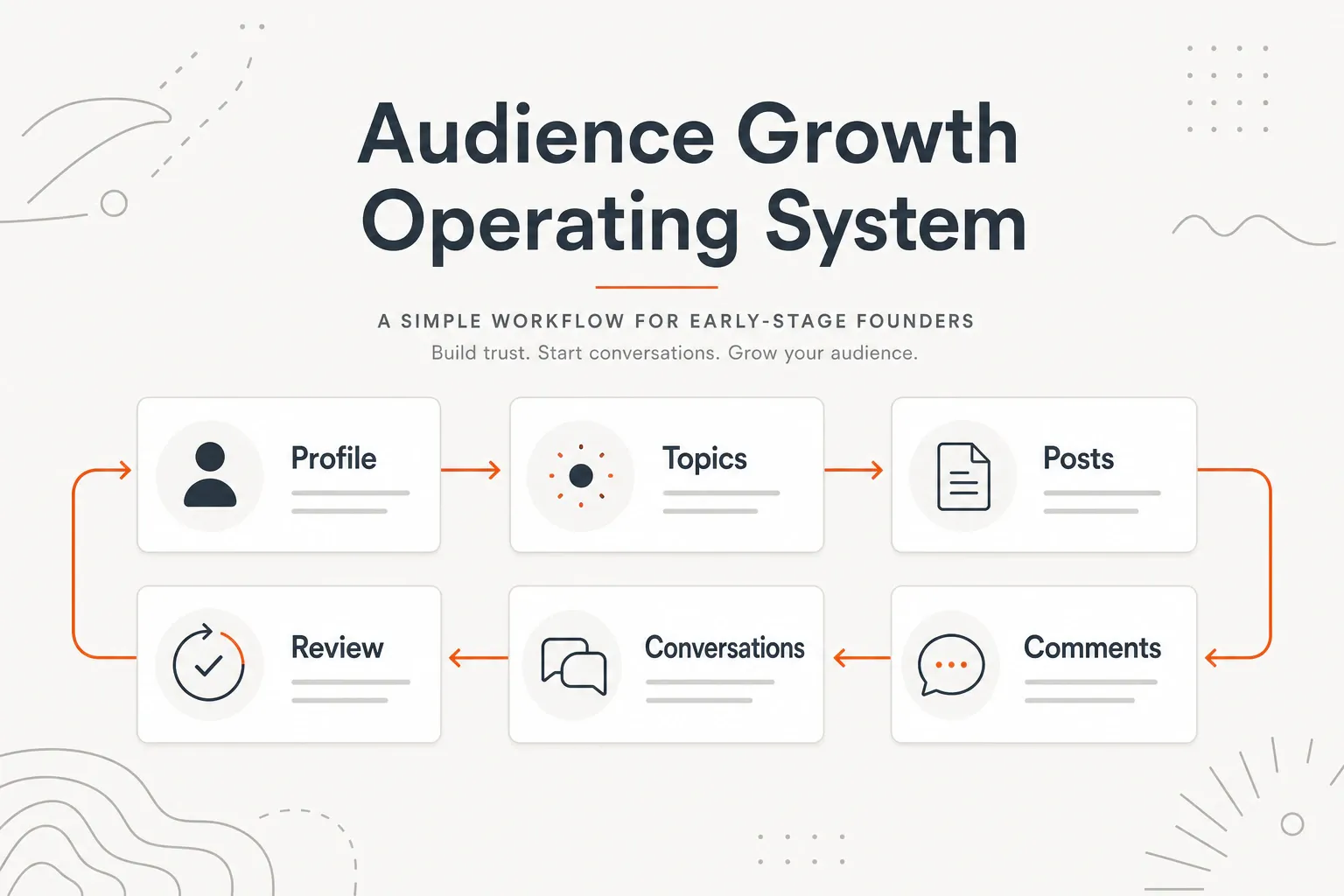
How to Grow LinkedIn Followers as a Founder: A Practical System for Attracting the Right Audience
A practical guide for early-stage founders who want to grow LinkedIn followers by earning the right audience, not chasing vanity metrics.
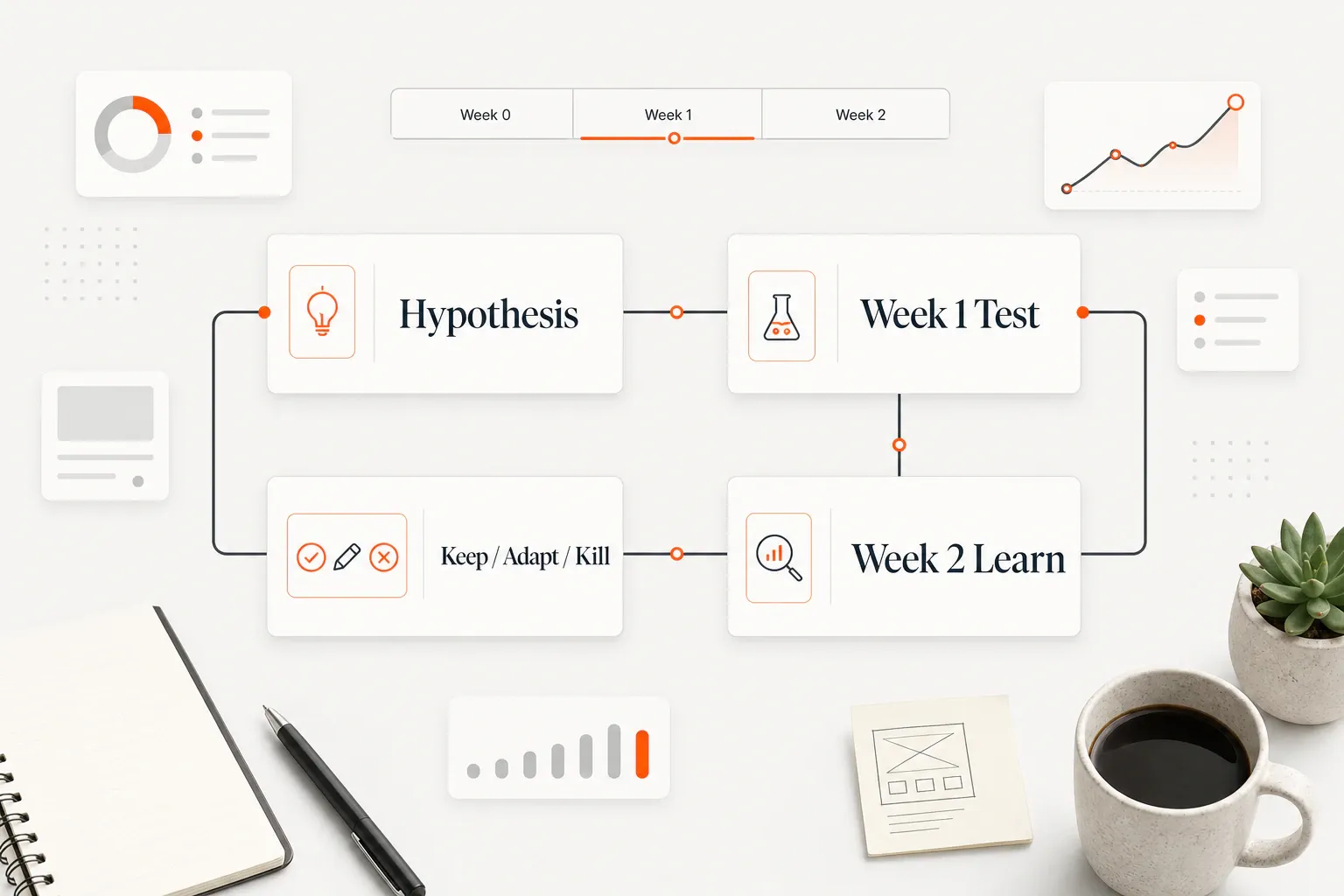
Bootstrap Marketing: Run a Two-Week Experiment Lab Before You Commit to a Channel
Bootstrap marketing works best when founders treat limited budget as a reason to test more carefully, not to chase every free tactic. Use this two-week experiment lab to validat...
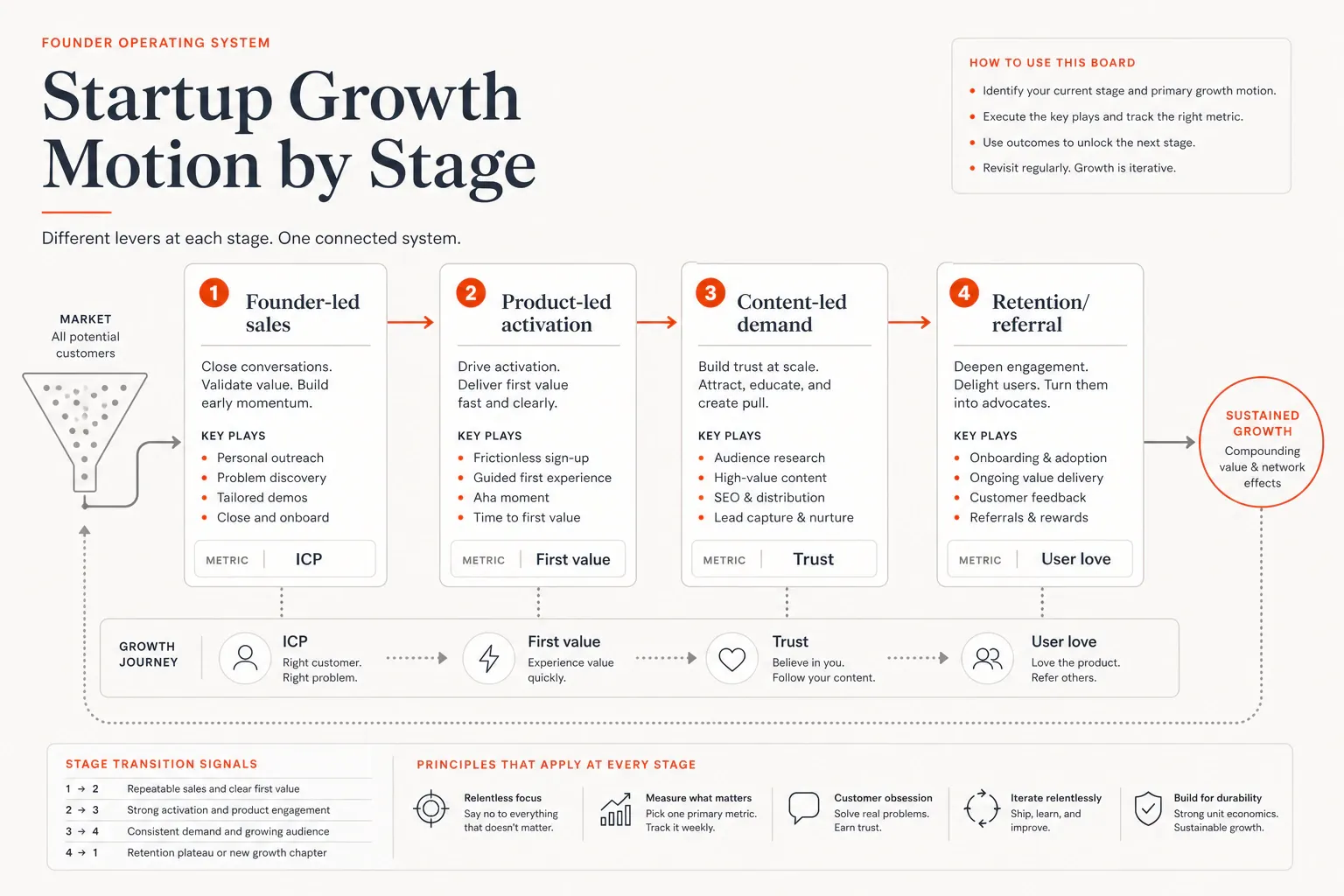
How to Grow a Startup by Choosing the Right Growth Motion for Your Stage
To grow a startup, do not start by copying a channel. Diagnose the bottleneck, then choose the growth motion your stage, buyer, product, and team can actually support.
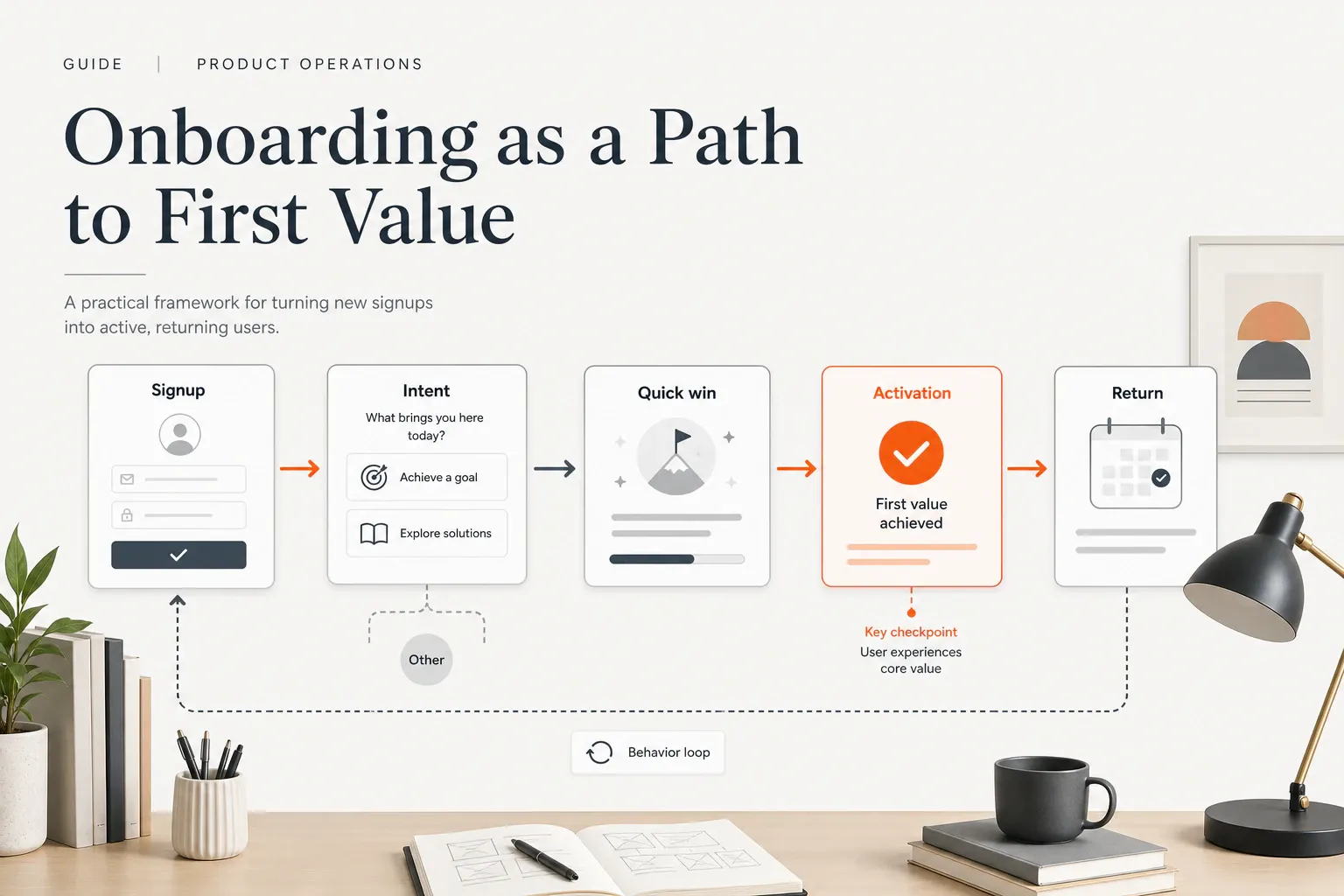
App Onboarding: A Practical Activation Guide for Early-Stage Product Teams
App onboarding works best when it moves users to first meaningful value, not when it teaches every feature. Use this guide to design a lean activation path.
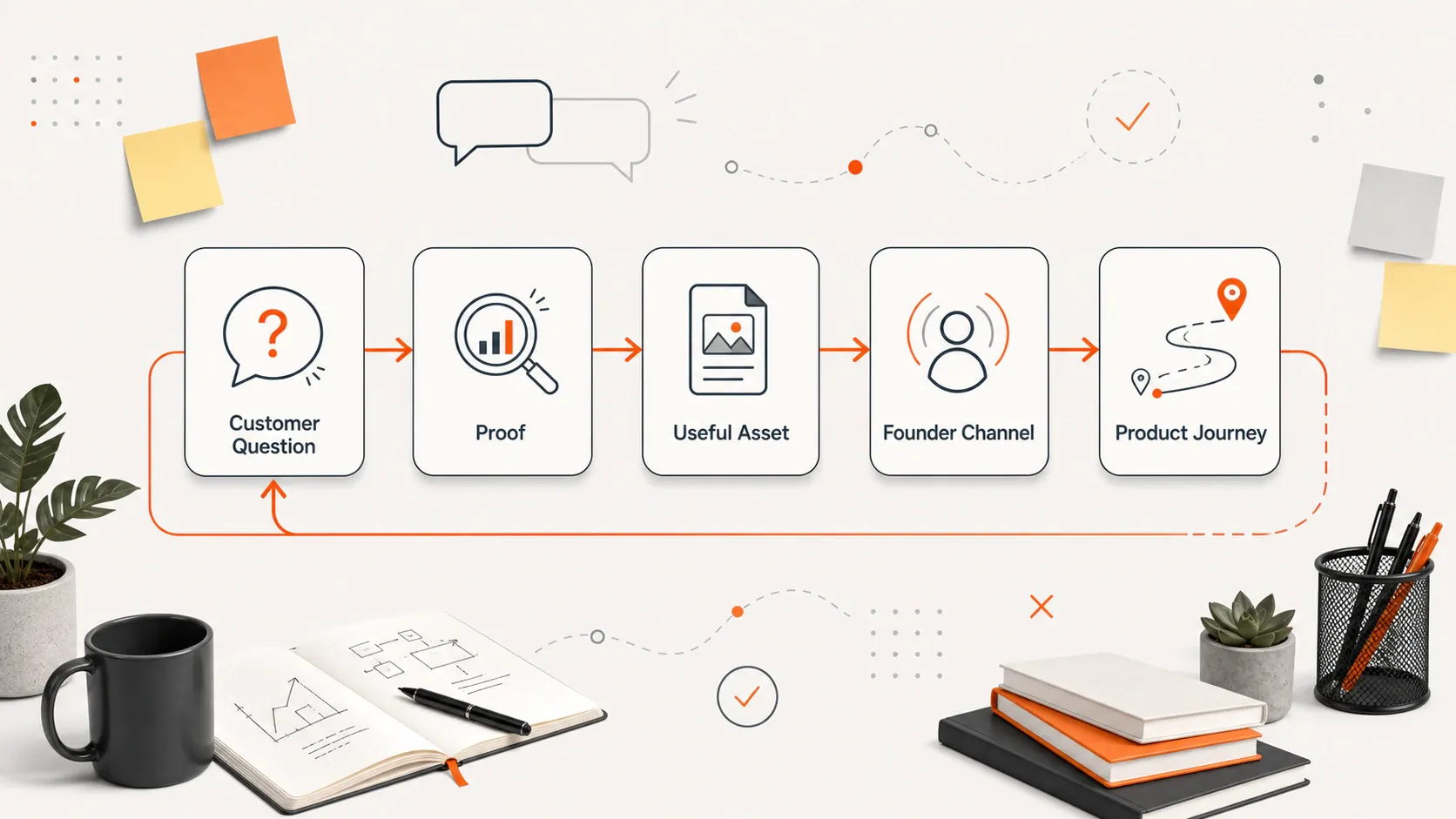
Bootstrap Marketing: Build a Proof Loop Before You Add More Channels
Bootstrap marketing works best when it turns customer proof into useful assets, founder-led distribution, product journey improvements, and reusable company context.
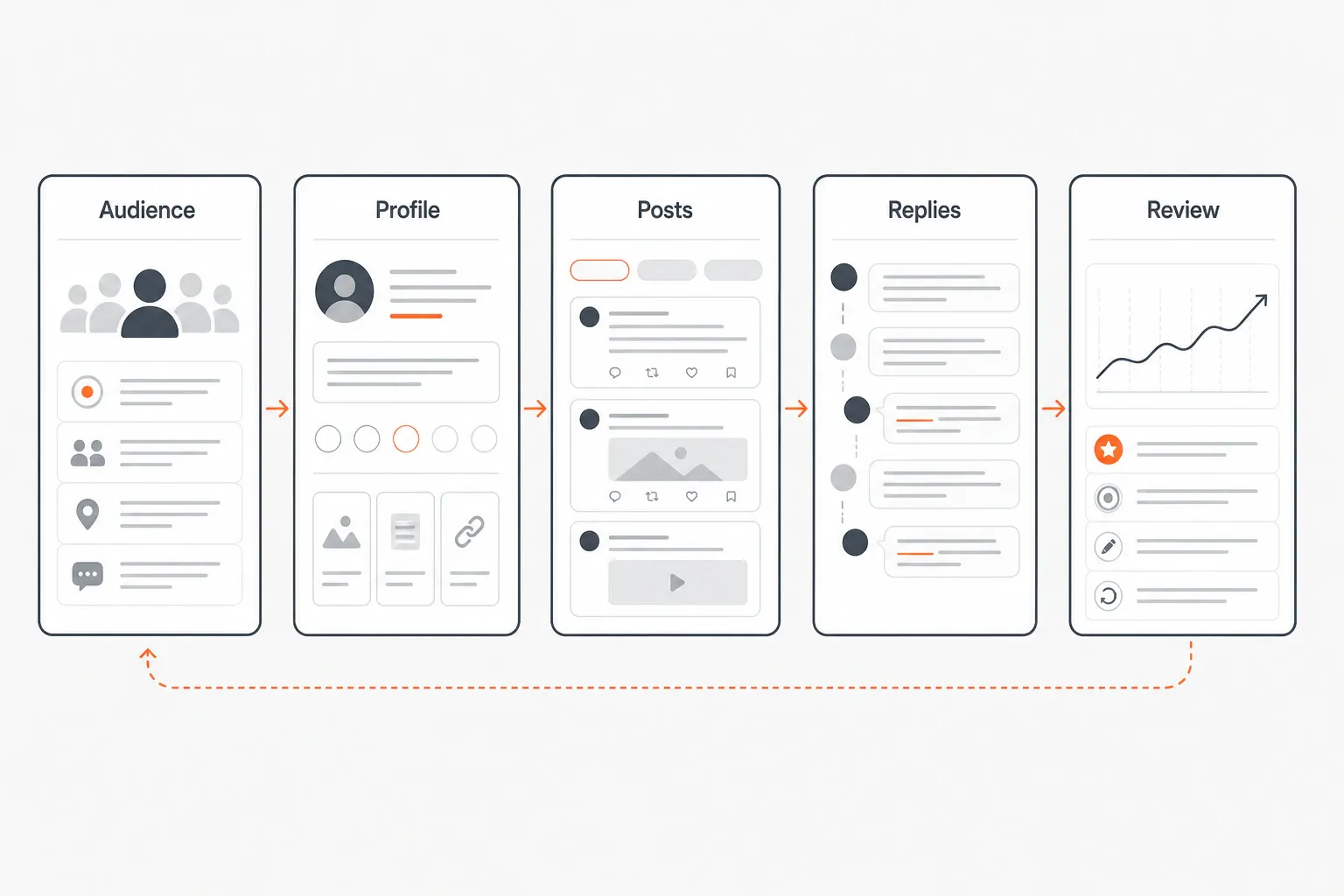
How to Grow Twitter Followers Without Chasing Empty Reach
A practical guide for early-stage founders who want to grow Twitter/X followers by building a repeatable content and reply system instead of chasing vanity reach.
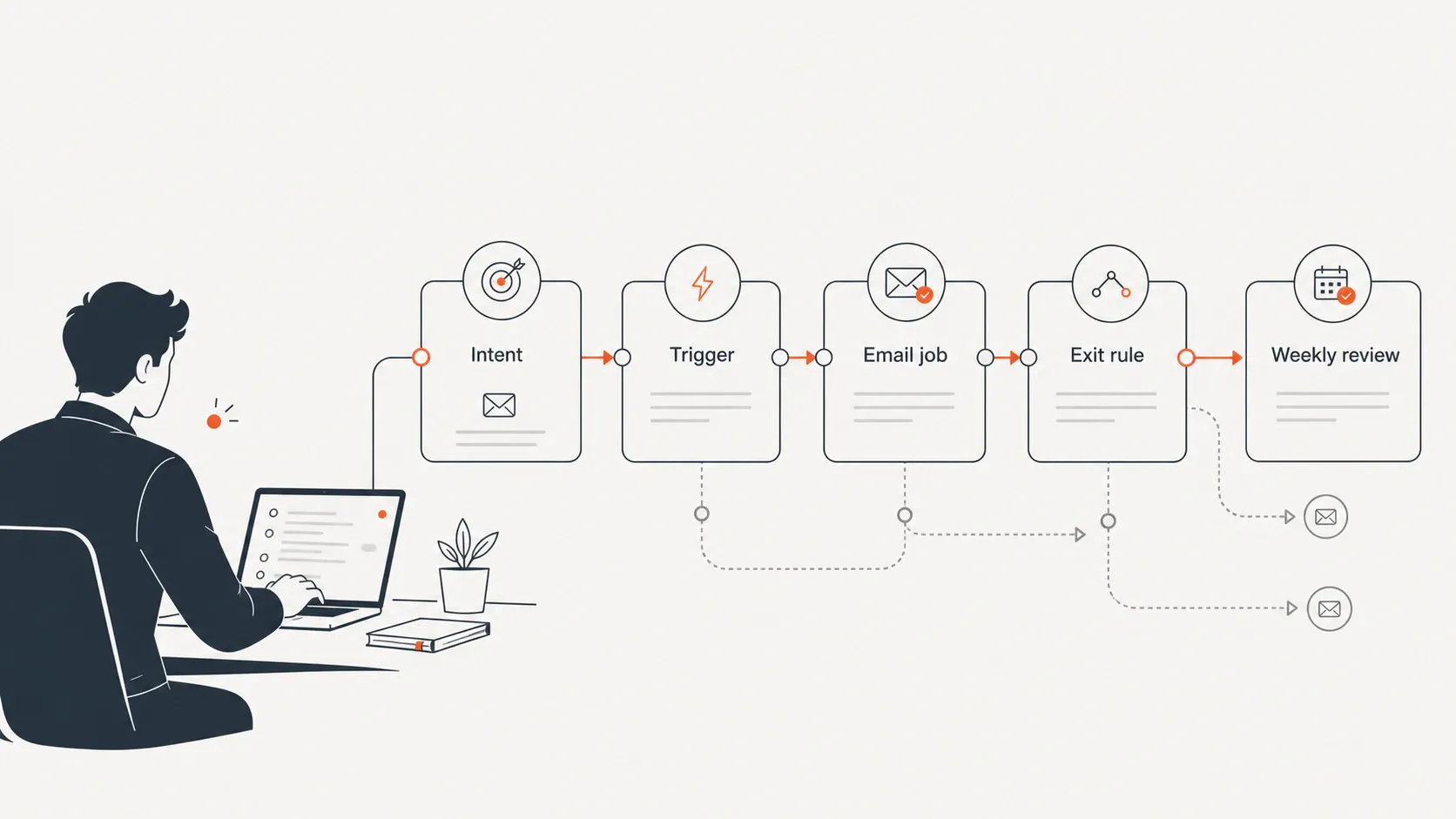
Email Sequences: A Practical Founder Guide to Follow-Up That Moves Users to the Next Step
Email sequences work best when they move one clear segment toward one meaningful next action. This guide shows early-stage founders how to plan, write, trigger, measure, and imp...
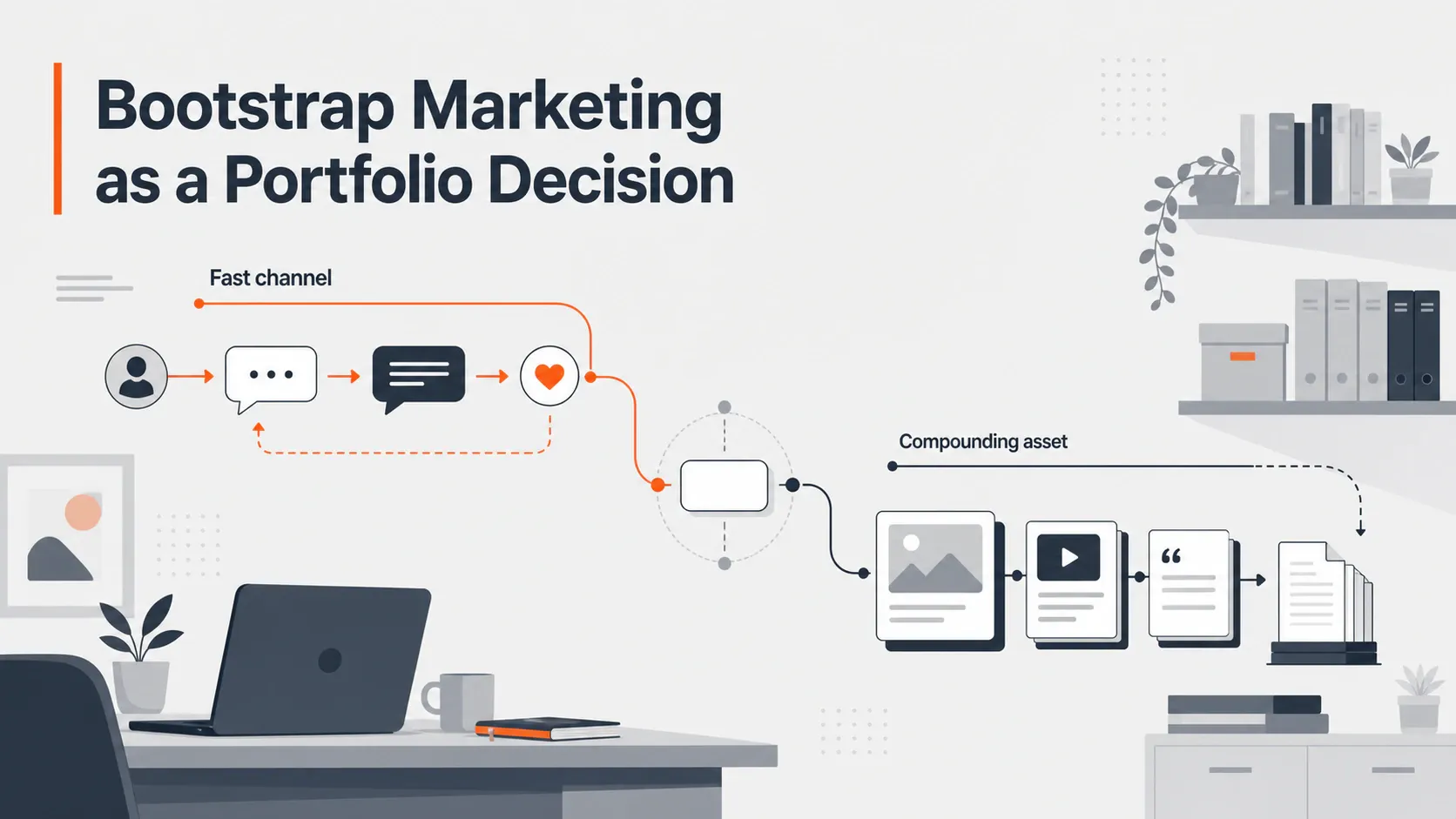
Bootstrap Marketing: Choose One Fast Channel and One Compounding Asset
Bootstrap marketing is not a list of free tactics. It is a portfolio decision: choose one fast channel that creates customer conversations now and one compounding asset that bui...
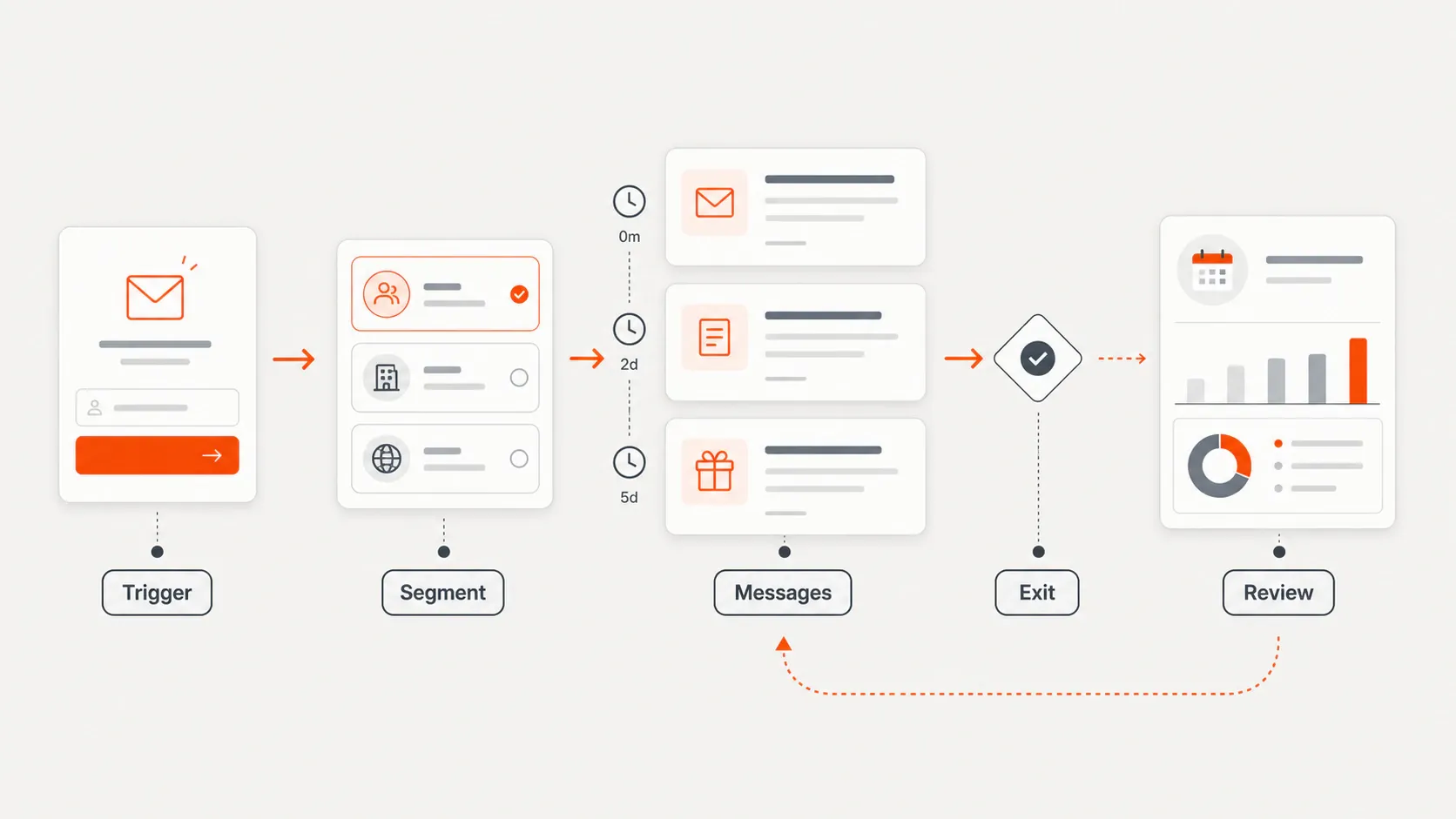
Drip Campaigns for Early-Stage Founders: Build a Follow-Up Loop That Does Not Feel Like Spam
A practical founder-focused guide to drip campaigns: what they are, when to use them, how to build a simple first sequence, what to measure, and how to avoid spammy automation.
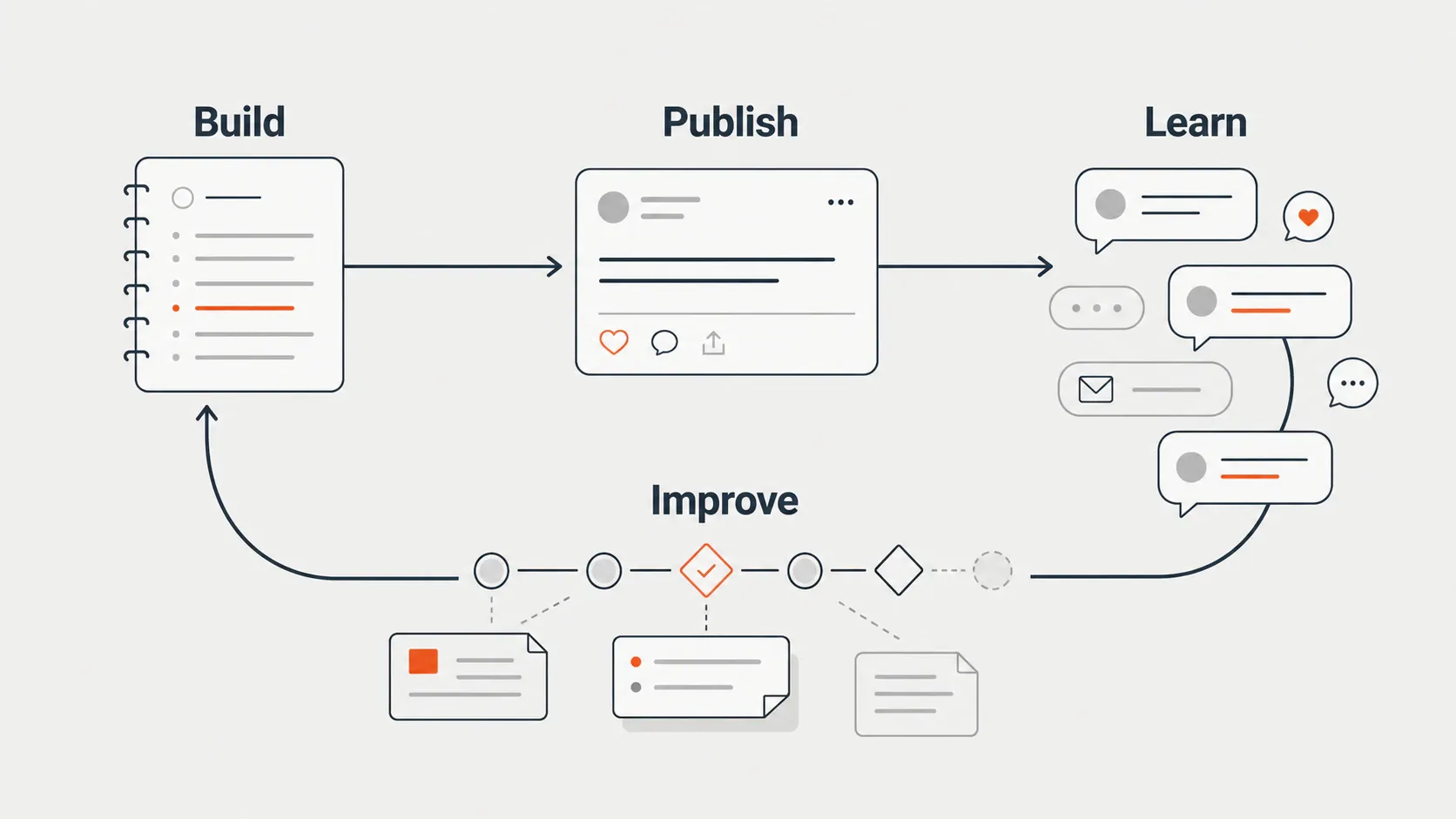
Build in Public as a Product Discovery Loop: A Practical Guide for Founders
Build in public works best when it turns real product work into useful conversations. This guide shows founders how to capture decisions, publish selectively, filter feedback, a...
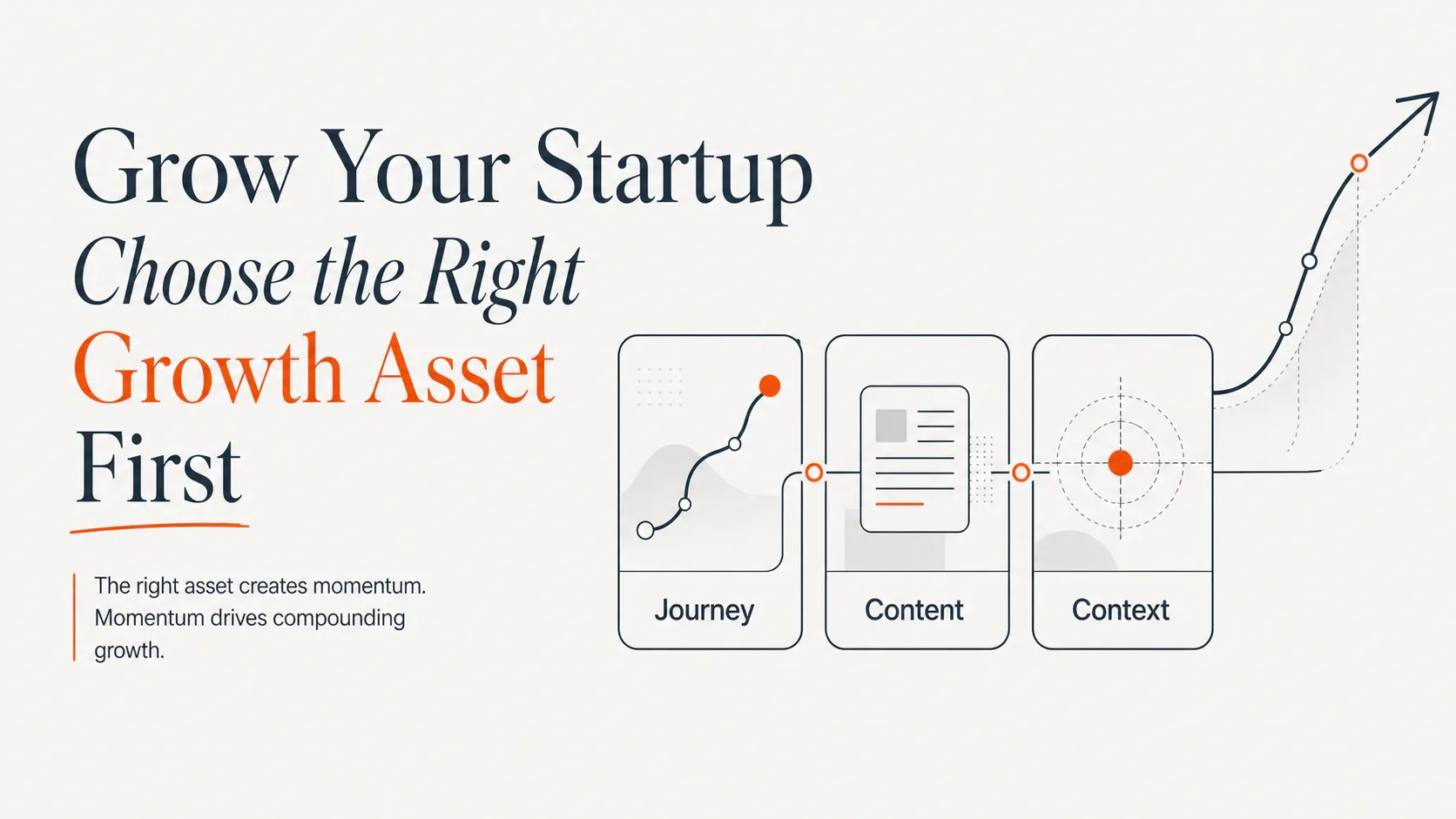
How to Grow a Startup by Building the Right Growth Asset First
To grow a startup, tiny teams should choose the durable growth asset that fixes their current constraint: activation, trust, or context.
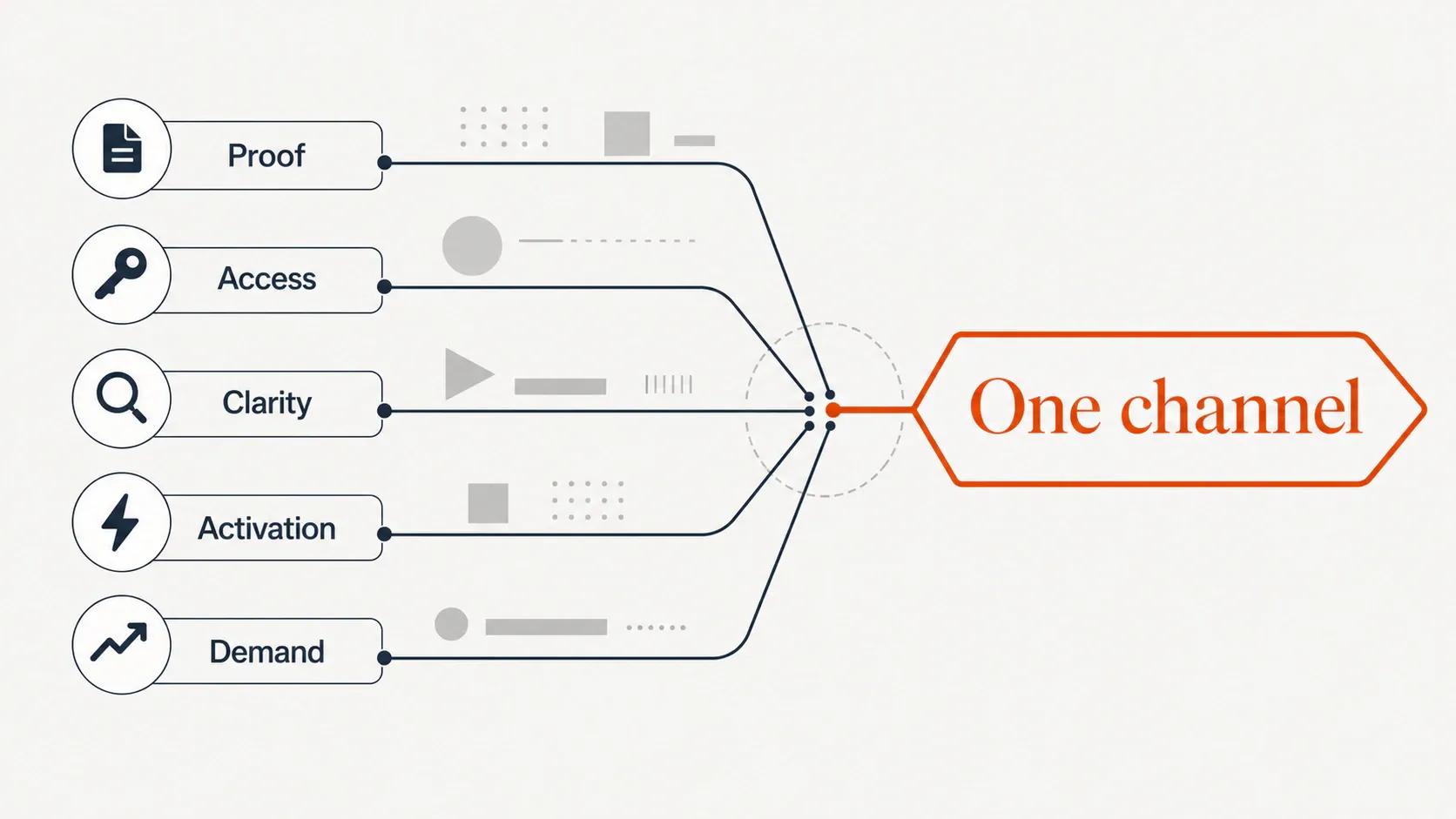
Bootstrap Marketing: A 30-Day Channel-Fit Scorecard for Startups
Bootstrap marketing works best when founders choose the no-budget channel they can actually sustain, measure, and improve for 30 days.
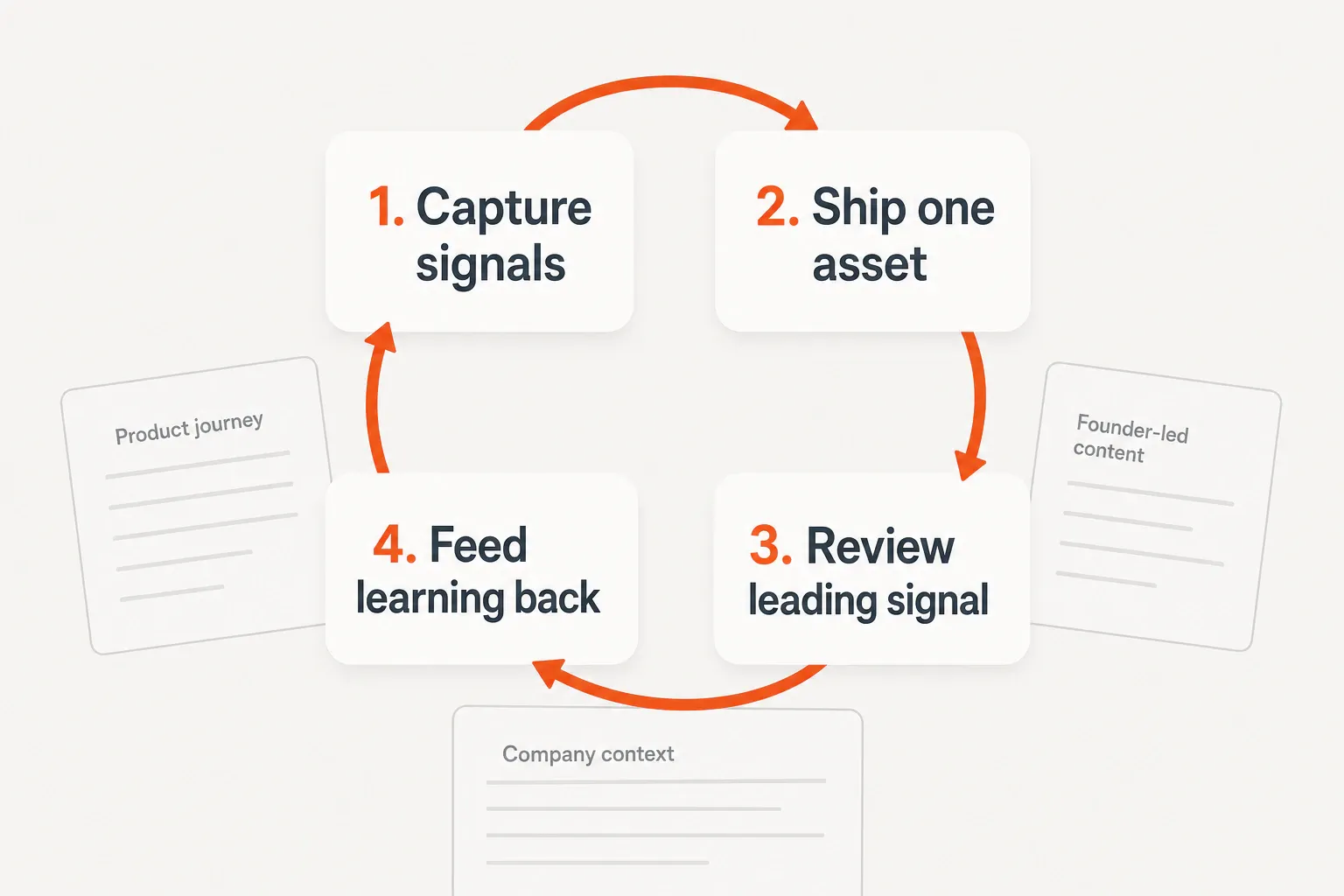
Bootstrap Marketing: Build the Weekly Signal Log After Diagnosis
Bootstrap marketing compounds when founders preserve market signals, review them weekly, and feed the strongest learning back into content, messaging, and product journeys.
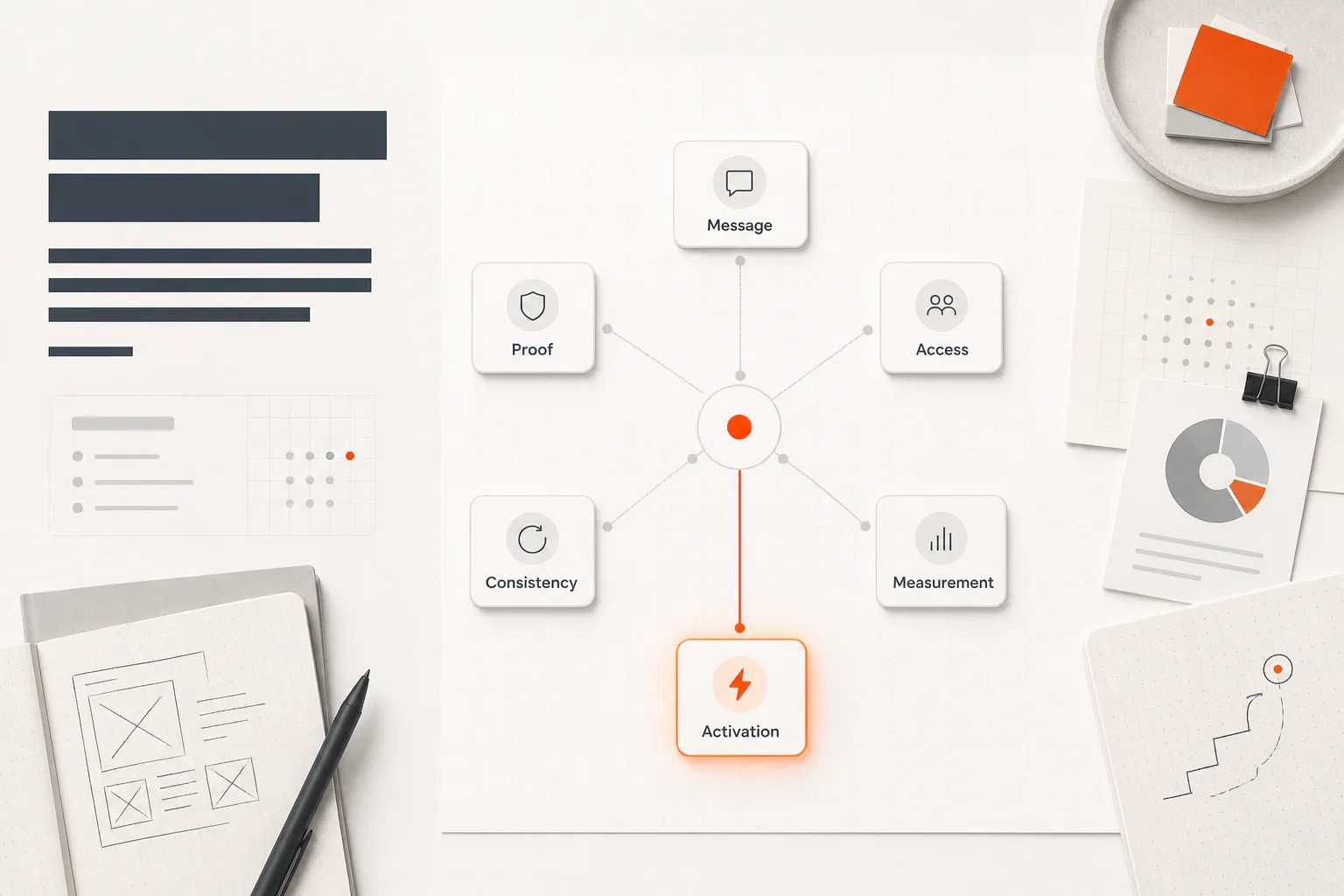
Bootstrap Marketing: A Founder’s Constraint Map for Choosing What Not to Do
Bootstrap marketing is not a list of free tactics. It is a constraint map for choosing the one marketing problem worth solving next: message, proof, access, activation, consiste...
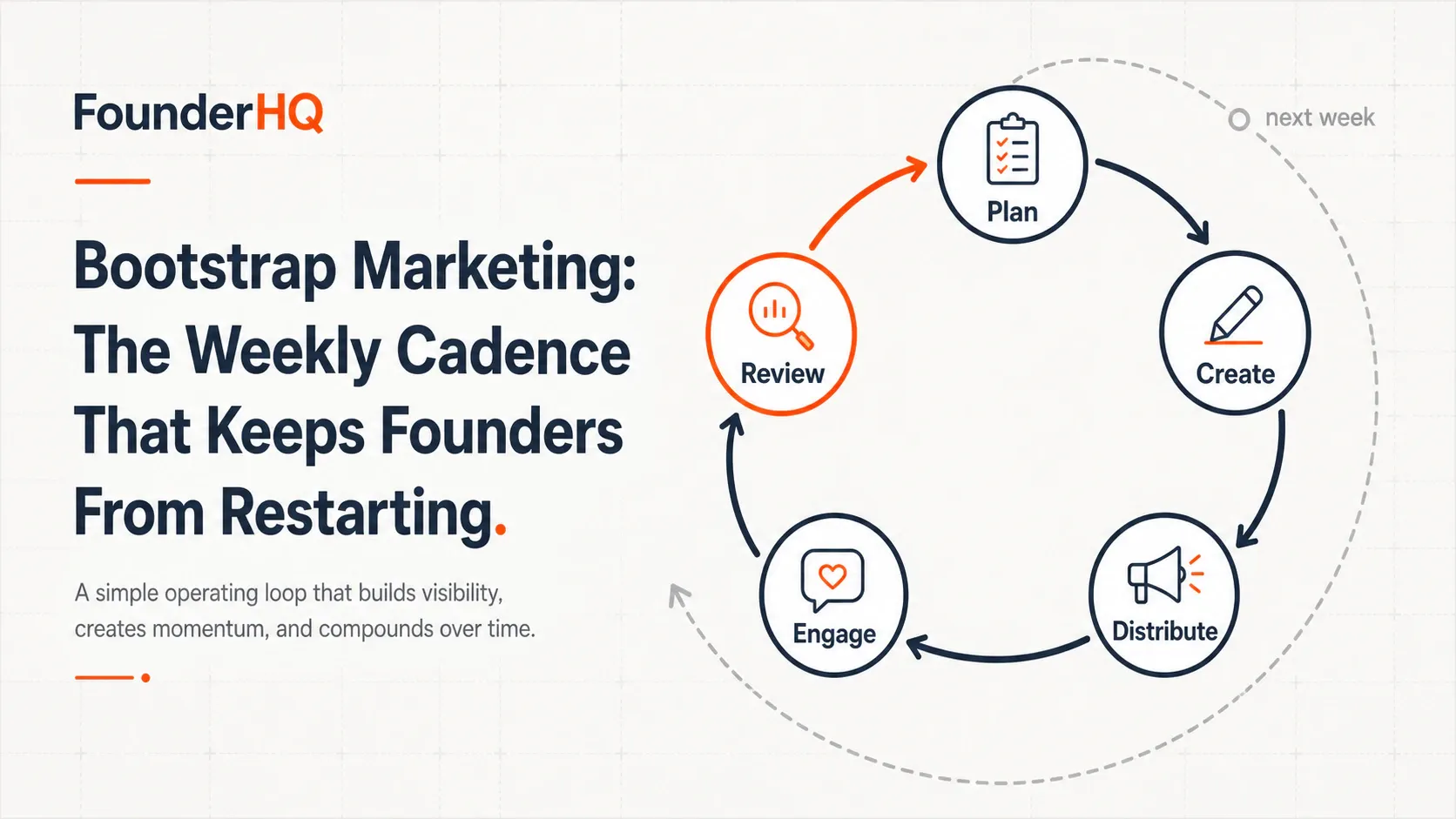
Bootstrap Marketing: The Weekly Cadence That Keeps Founders From Restarting
Bootstrap marketing usually fails because the founder stops showing up, not because the channel was wrong. This guide gives early-stage teams a repeatable weekly loop for planni...
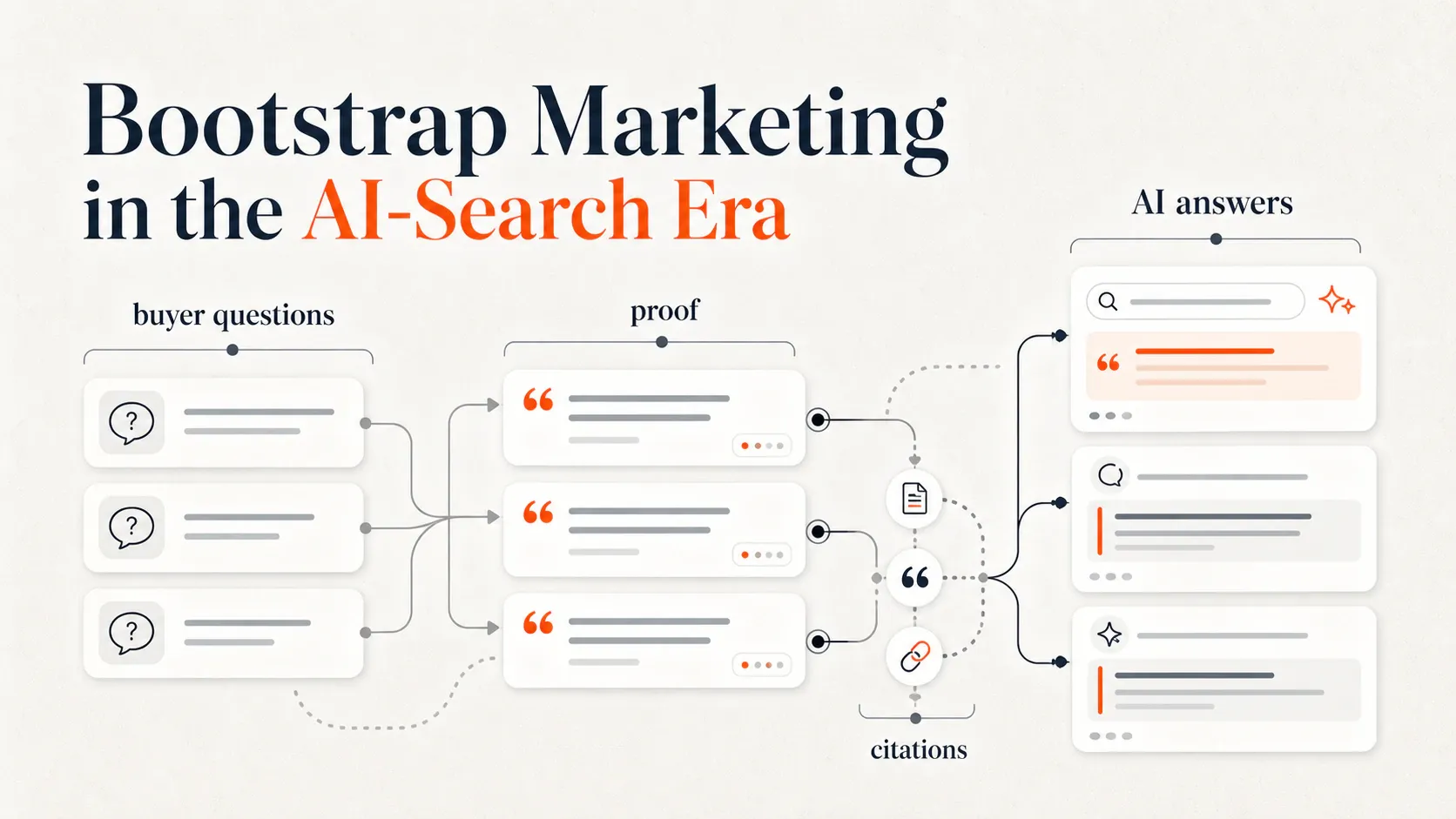
Bootstrap Marketing in the AI-Search Era: How Founders Win by Getting Cited, Not Just Ranked
Bootstrap marketing is changing. For early-stage founders, the highest-leverage organic move is no longer just ranking on Google; it is becoming the source AI answer engines cite.
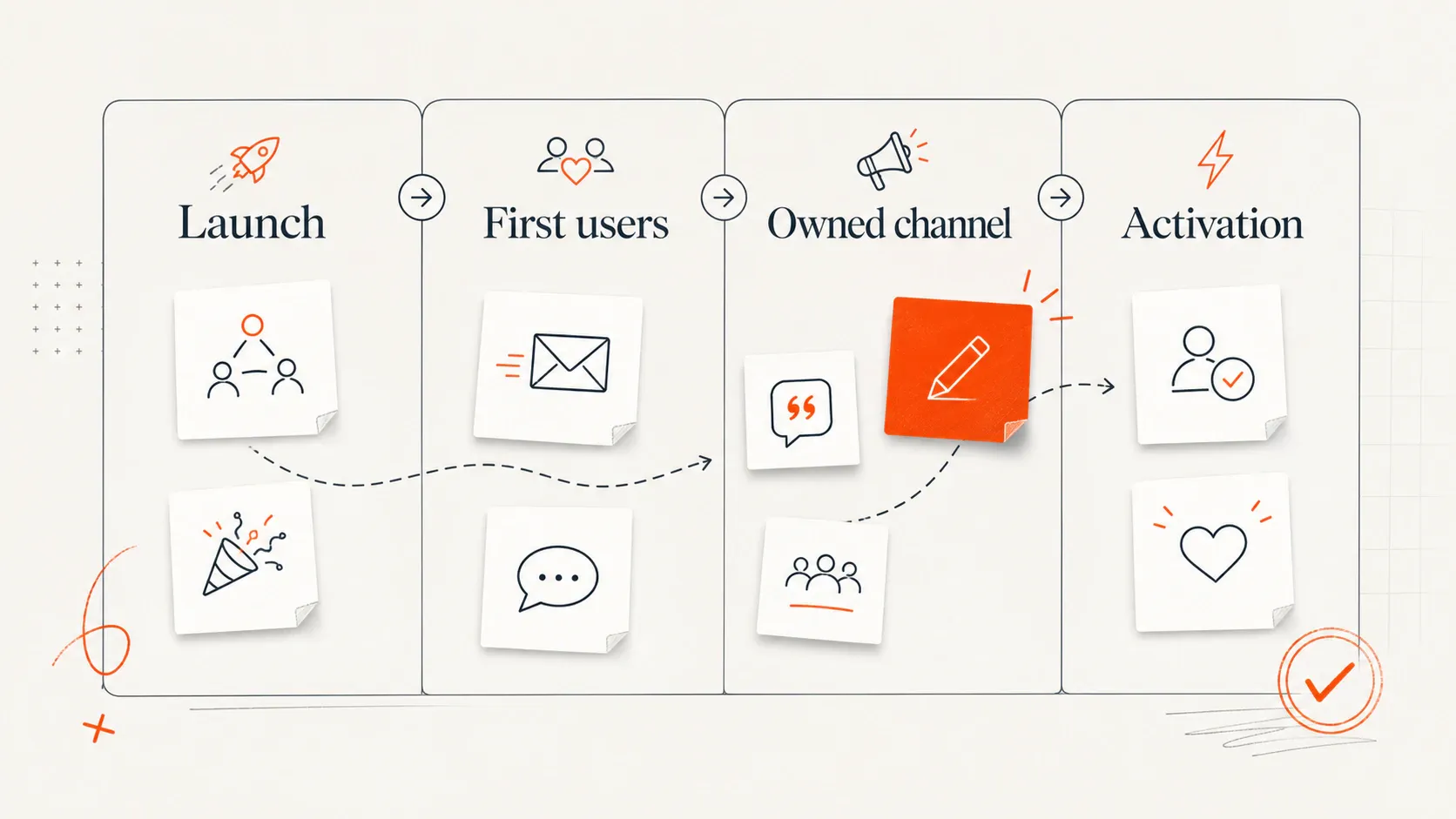
Bootstrap Marketing: A Zero-Budget Sprint From Launch to Your First 100 Users
Bootstrap marketing works when founders stop chasing every free channel and run a focused sprint: one channel, warm-network outreach, problem-first content, and activation as th...
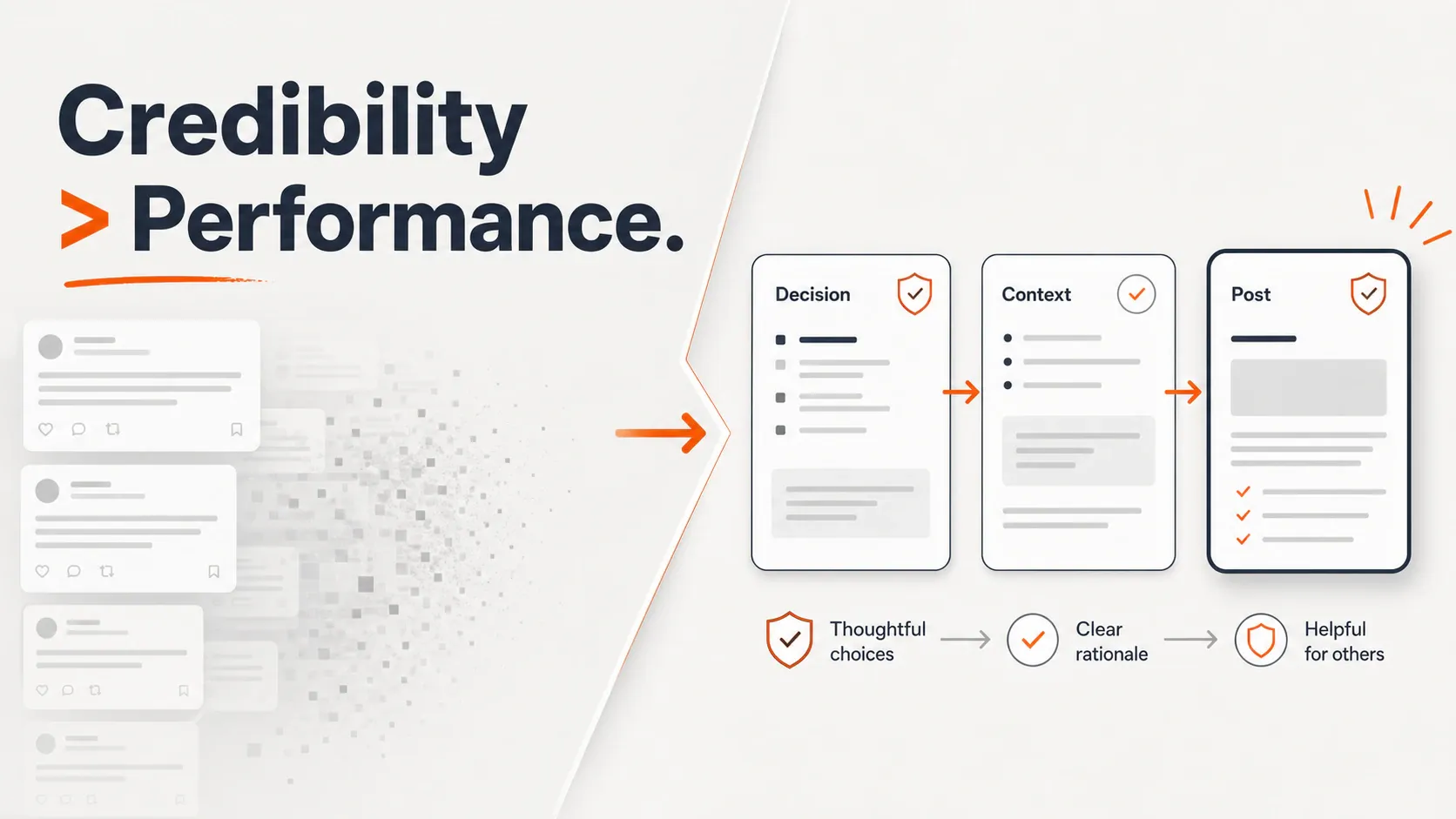
Build in Public Without Performing: A Founder's Credibility Filter for 2026
Build in public did not die; it got easier to fake. This guide gives founders a practical filter for sharing specific, useful, decision-level updates without drifting into perfo...

Grow a Startup With a Friday Growth Scoreboard
For a solo founder or 2–3 person team, the real bottleneck in growing a startup isn't which channel — it's that you can't see whether growth is working. This buyer's guide cover...
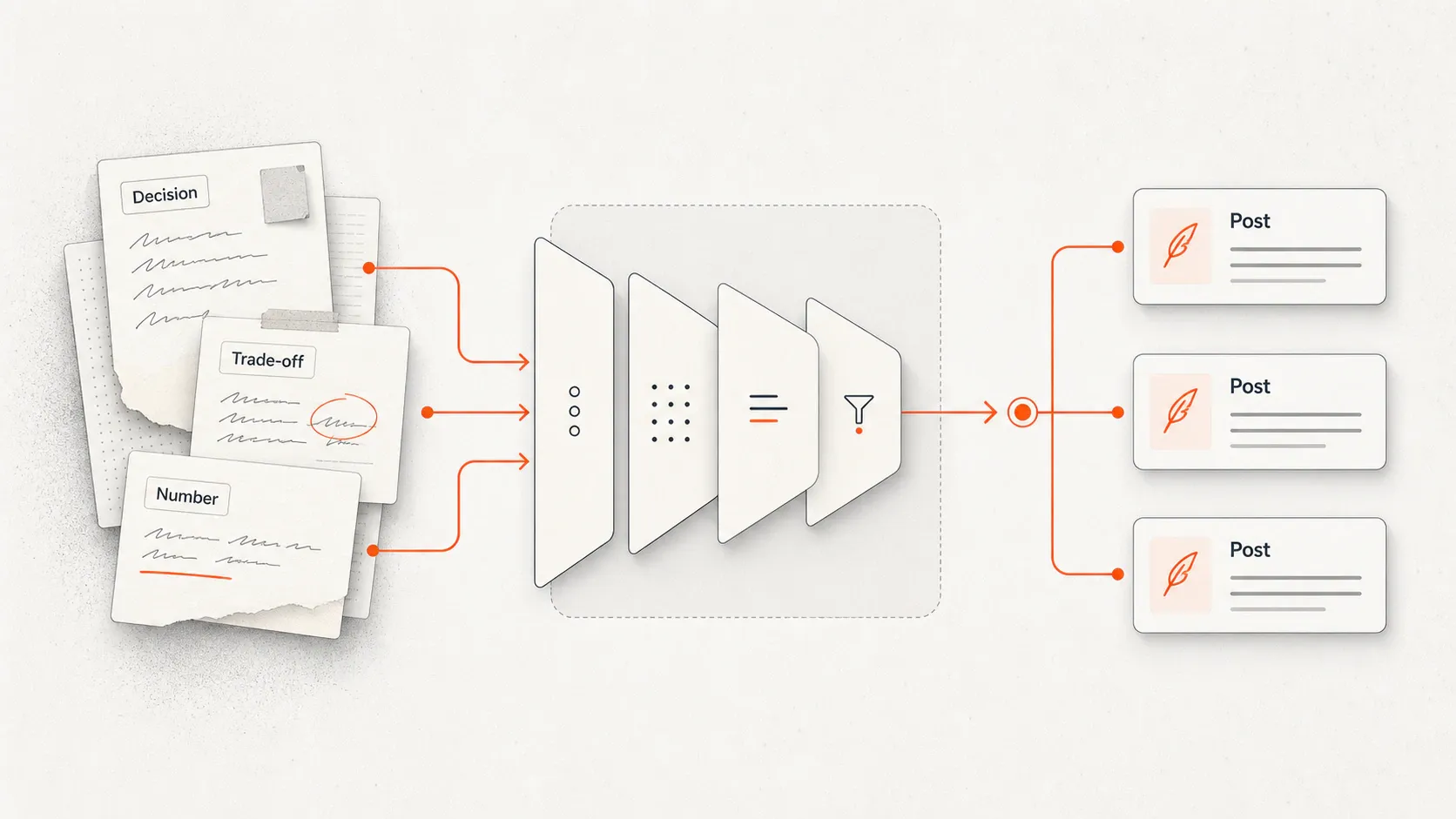
Build in Public: The Specificity System for Posts That Actually Compound
Most build-in-public posts fail because they are too vague. This guide gives founders a repeatable system for turning real build work into specific, decision-level posts.
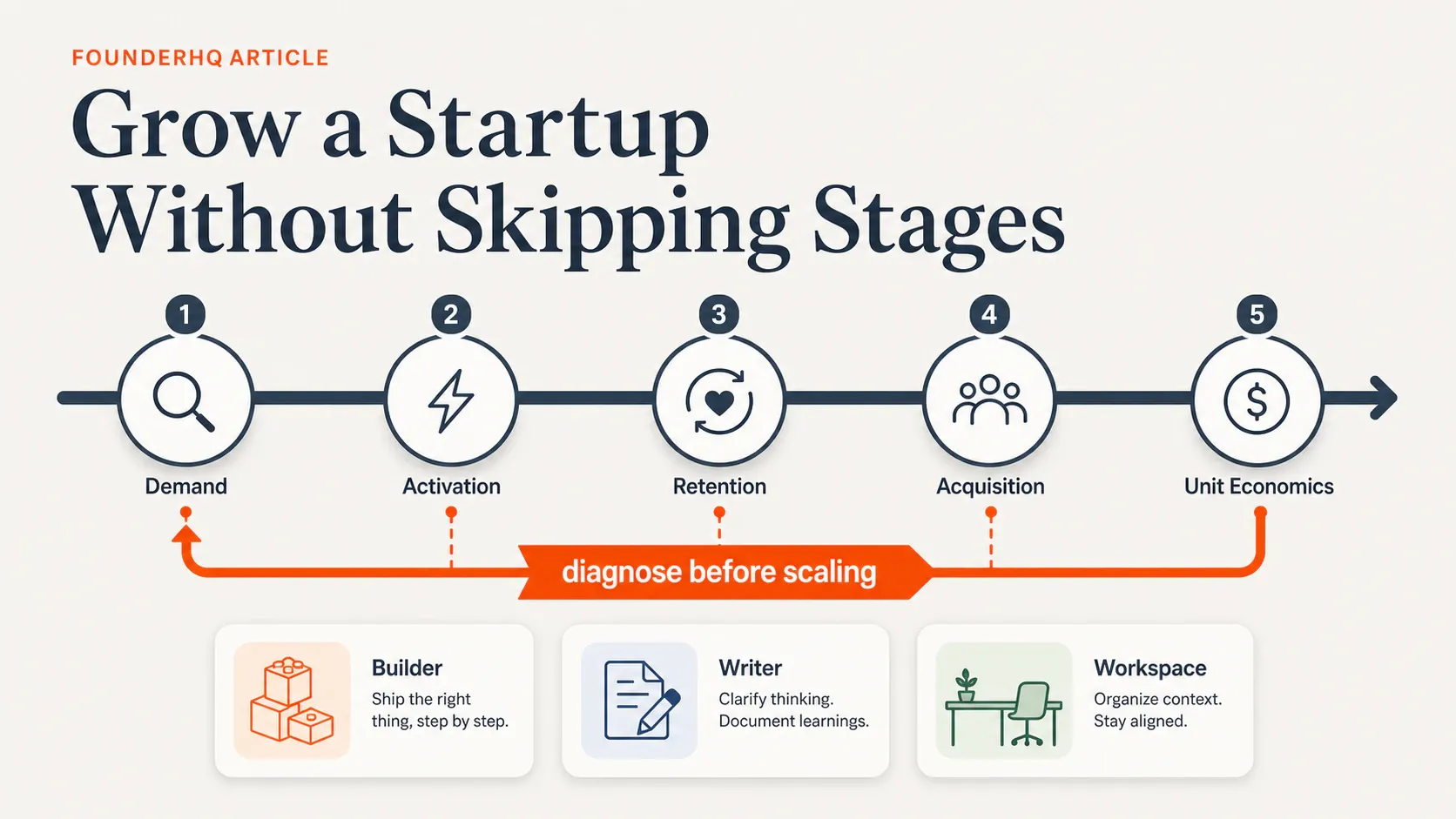
Grow a Startup Without Skipping Stages: A 2026 Buyer's Guide for Tiny Teams
Most startup growth advice starts with tactics. This guide starts with the stage founders are most likely to skip: find your real proof signal, test it against false positives,...
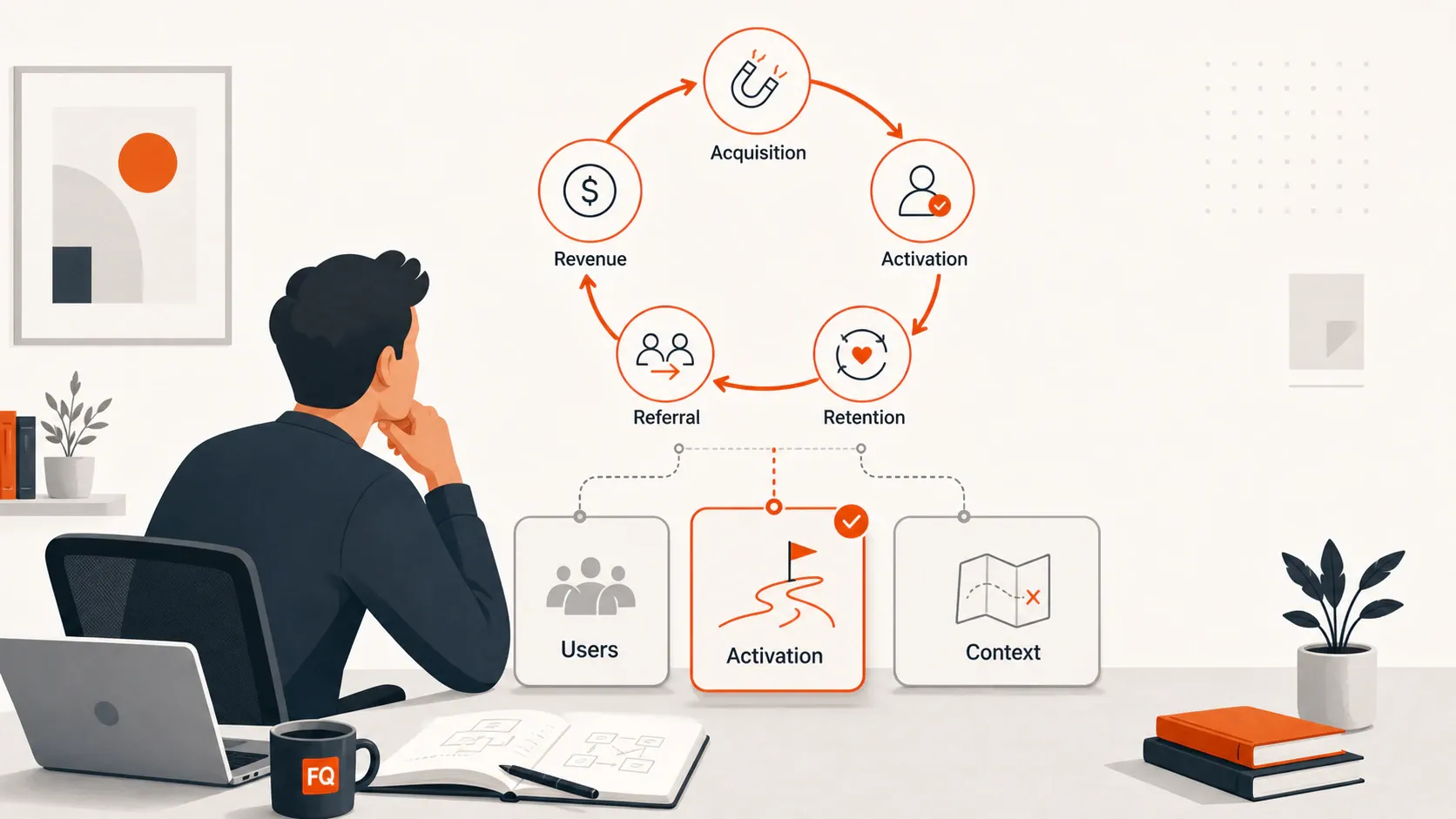
How to Grow a Startup by Choosing the Right Growth System Architecture
To grow a startup, do not start with a tactics list. Start by choosing the growth system architecture your team can actually run: manual search, activation-first product journey...
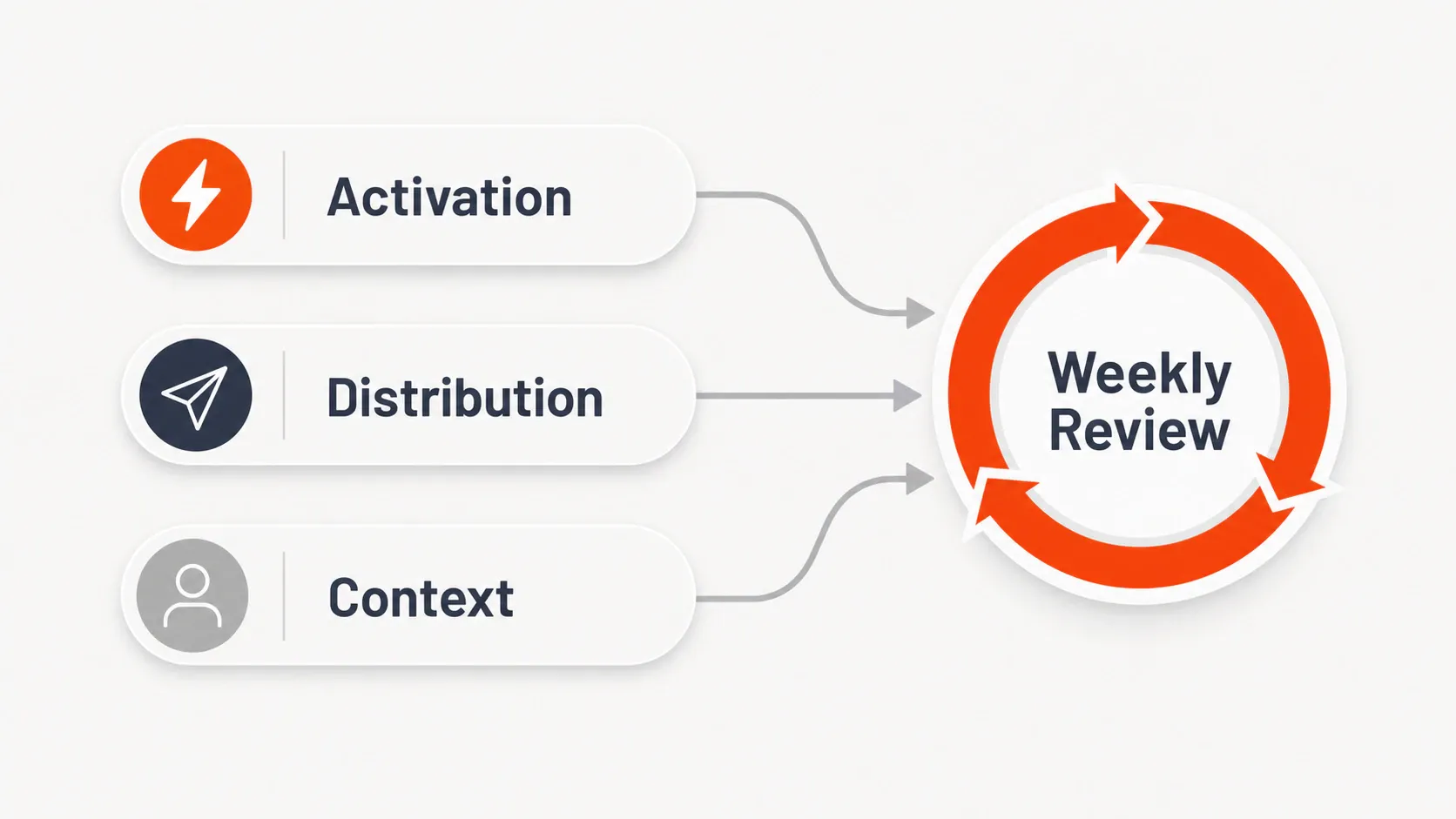
How to Grow a Startup in 2026: Use the Scorecard Before You Add More Tools
To grow a startup in 2026, early-stage teams need a diagnostic scorecard before they need more channels. This guide helps founders choose the right growth system and lean stack.
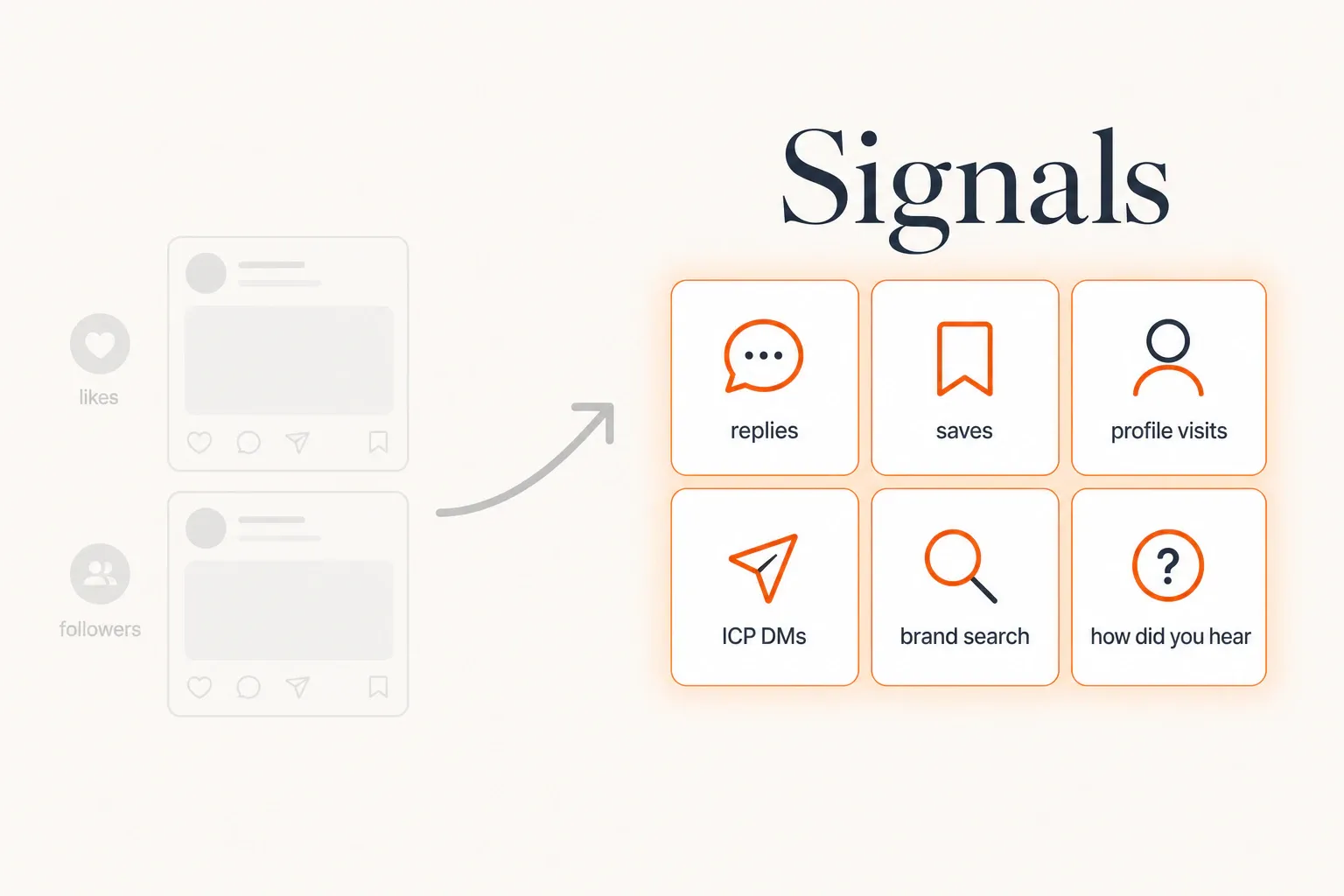
Build in Public: How to Know It's Actually Working Before Revenue Shows Up
Most build-in-public advice tells you what to post, not how to tell whether it's earning anything. This guide reframes measurement around a small scoreboard of leading signals —...
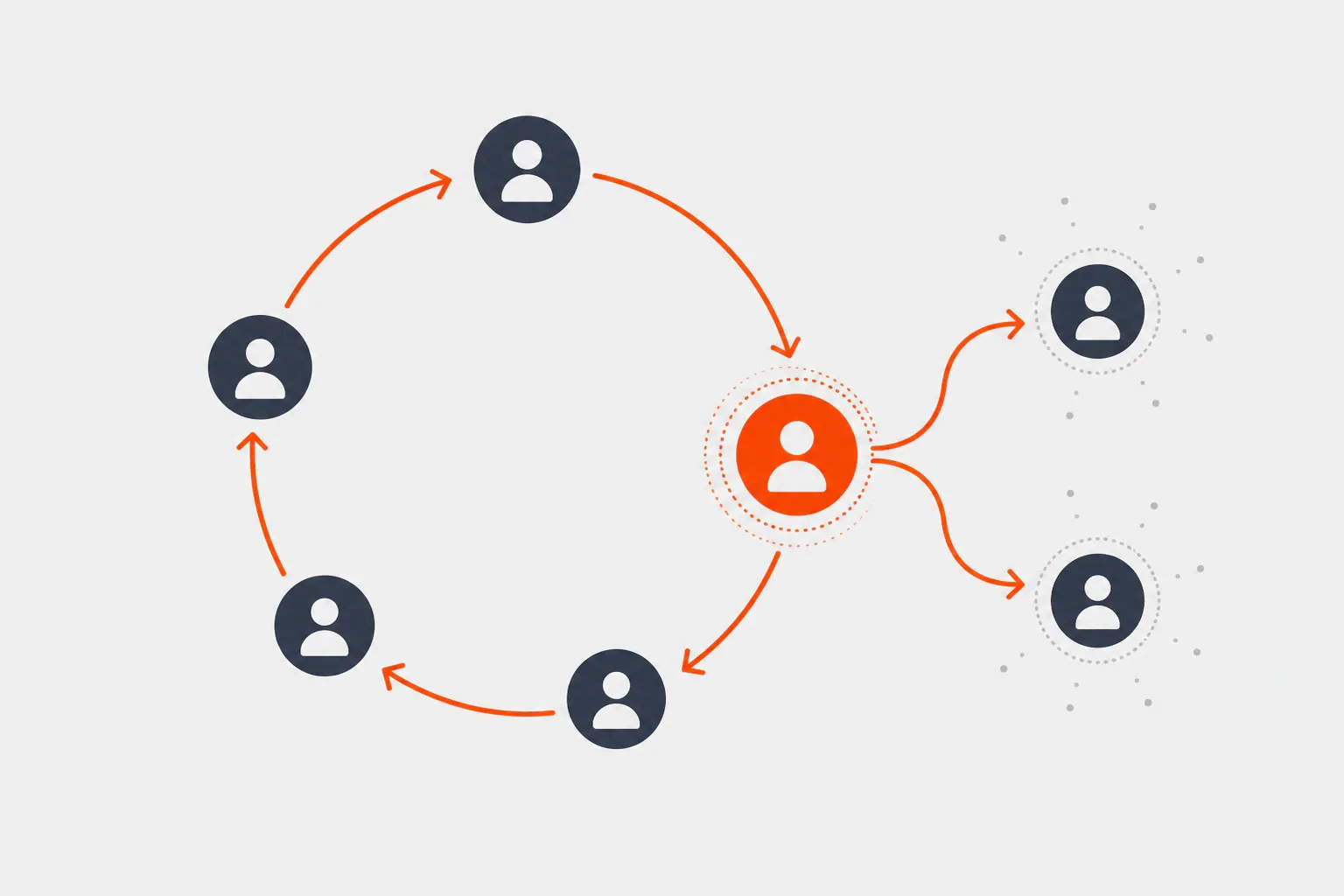
Grow a Startup With an Engineered Word-of-Mouth Loop: A Tiny-Team Buyer's Guide to Choosing Your Referral Mechanic
Most 'grow startup' advice argues channels and sequencing. The quieter, higher-leverage move once you have a handful of happy users is to stop hoping for word-of-mouth and engin...
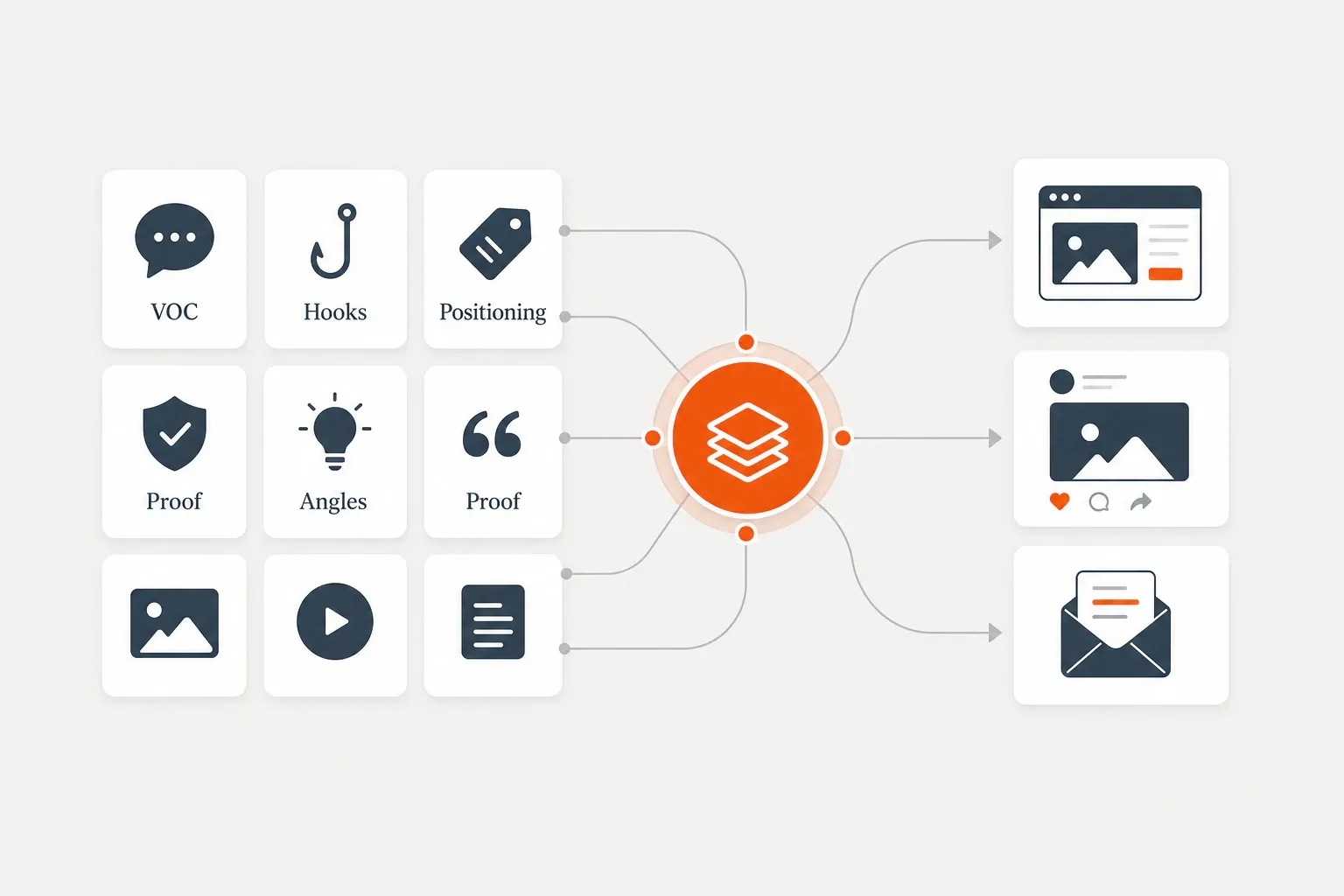
Bootstrap Marketing: Build a Reusable Asset Library So You Stop Starting From Scratch
Most no-budget marketing advice tells you to find more free reach. But your real constraint is founder hours, and most of them are spent re-discovering your audience's language,...

Bootstrap Marketing: Turn One Pillar Piece Into a Week of Distribution (The Atomization System)
Most bootstrap marketing advice tells you to find more free reach. But on no budget, your scarcest resource is your own creative time. This guide reframes the highest-leverage n...

Build in Public Without Getting Burned: A Founder's Selective-Transparency Playbook
Cautious founders stay quiet because they fear copycats, customer exposure, and investor optics. The fix isn't sharing less — it's a deliberate redaction policy: share your own...
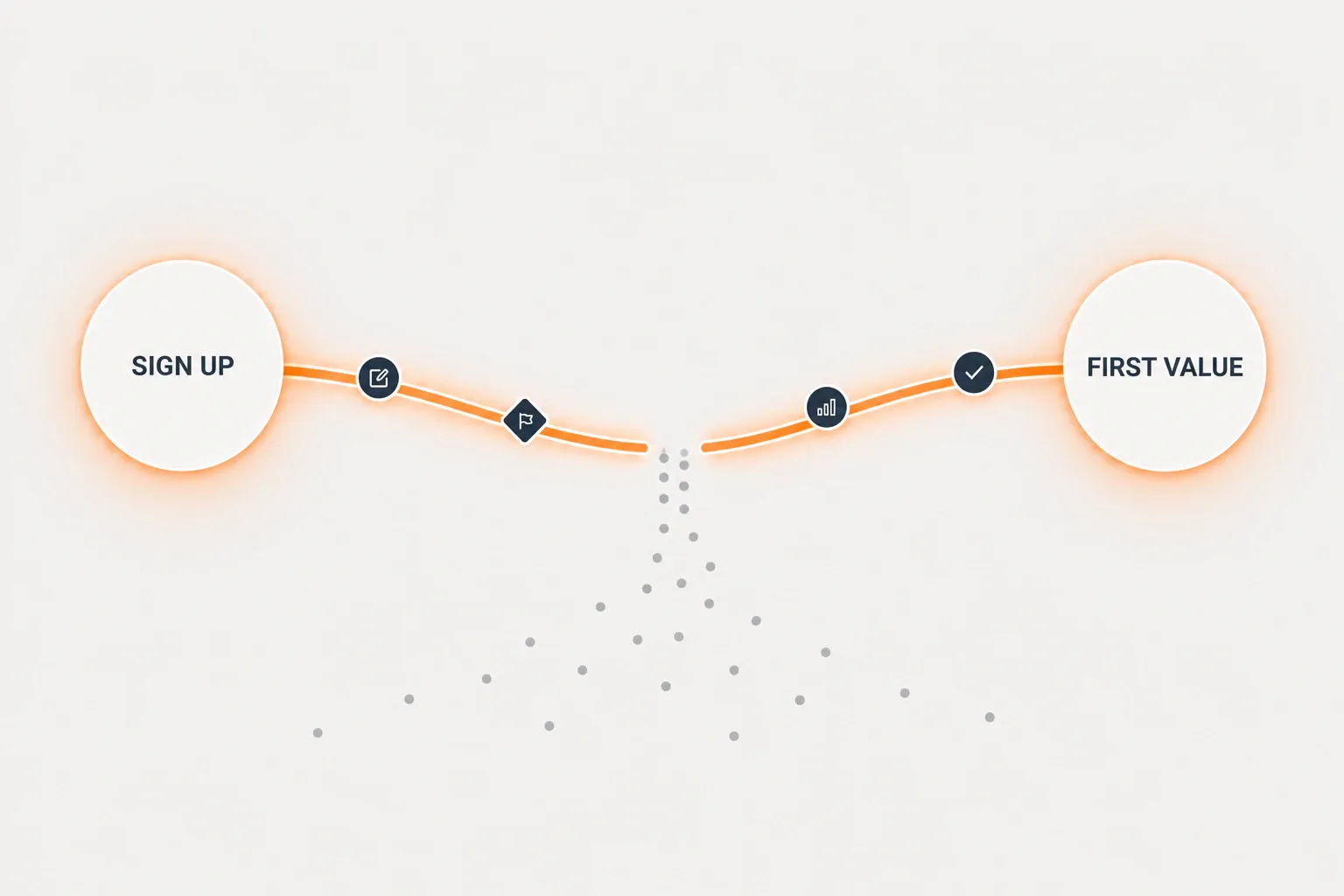
Grow a Startup by Fixing the Activation Handoff: A Buyer's Guide to Shipping a Guided First-Value Journey on a Tiny Team
Most 'grow startup' advice argues about channels and levers — all upstream of the product. For a tiny team, the quieter bottleneck is the activation handoff: the gap between sig...

Bootstrap Marketing: The Borrowed-Audience Playbook for Growing Without a Budget
Most no-budget marketing advice tells you to produce more of your own content. But your real constraint is usually access — getting in front of audiences someone else already ow...
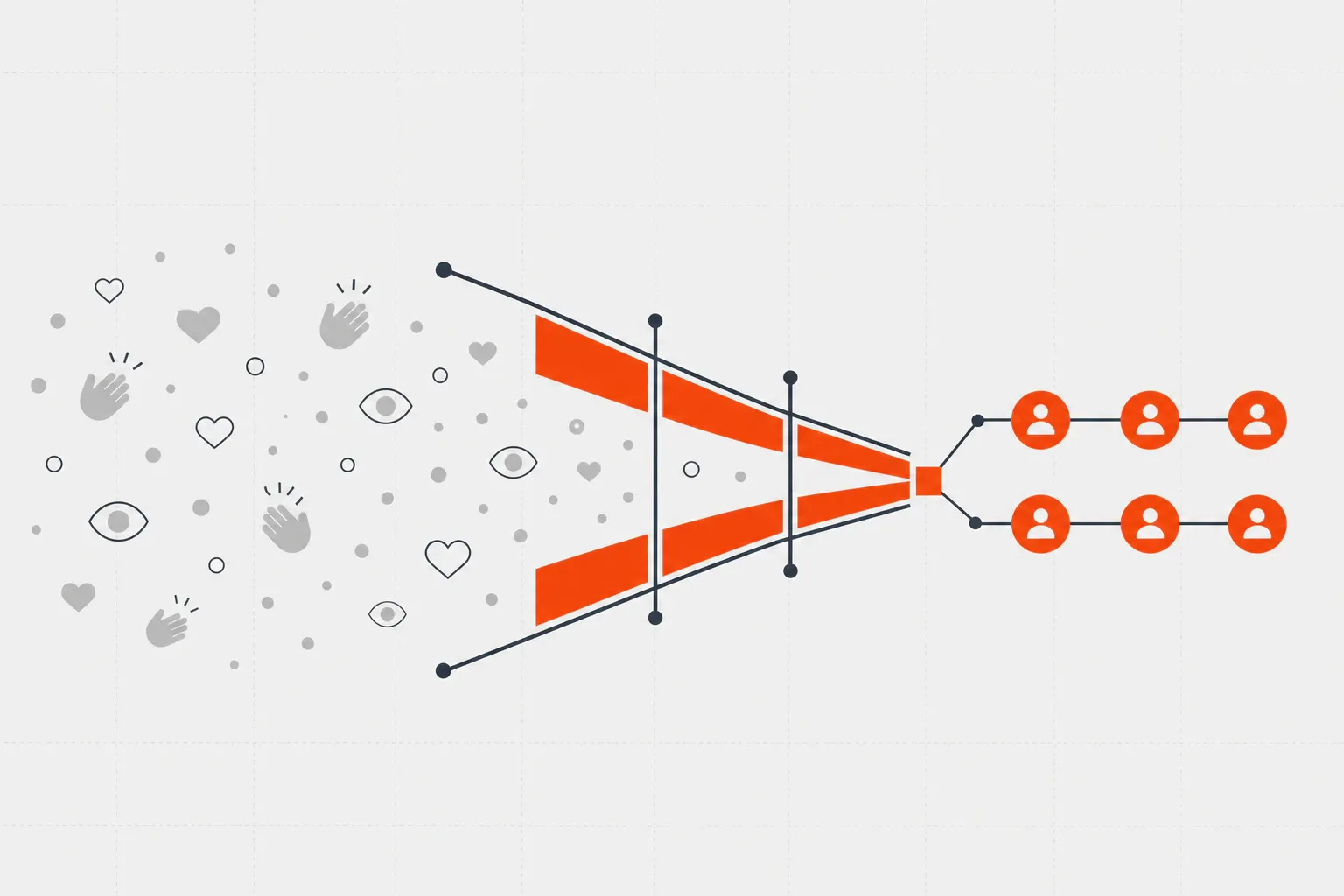
Build in Public That Converts: Turning Reach Into a Real Pipeline
Most founders build in public, share the win, and stop — leaving an engaged audience with no next step. This guide gives you the missing conversion layer: a four-part post-to-pi...

Bootstrap Marketing in 2026: Fix the Message, Not Just the Reach
Most bootstrap marketing advice tells you to find more free reach. But on no budget, the real constraint is usually message clarity, not reach — an unclear, inconsistent message...
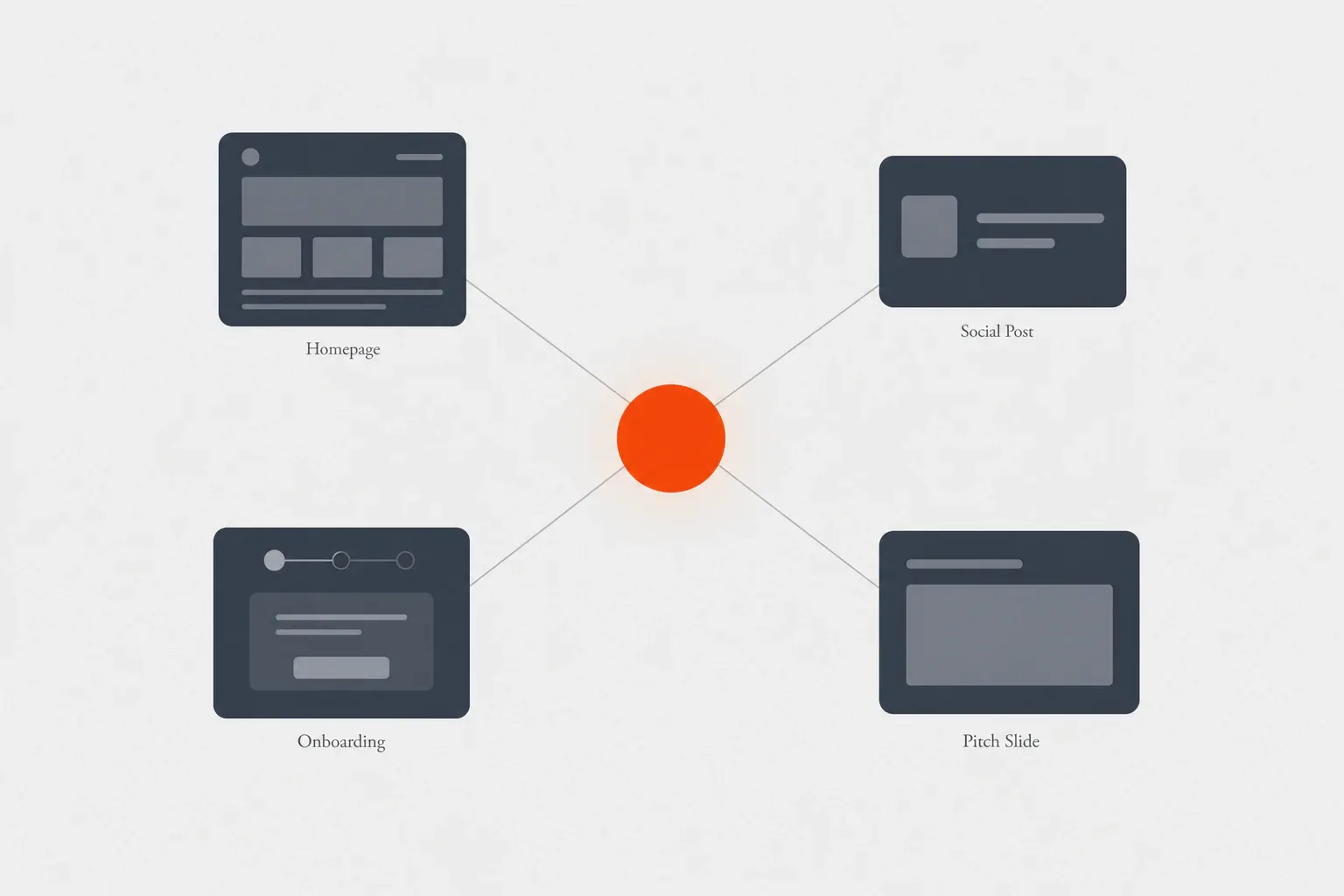
Grow a Startup by Fixing Message Drift: A Buyer's Guide to One Consistent Story
Most 'grow startup' advice argues about channels and sequencing. For a solo founder or 2–3 person team, the quieter bottleneck is message drift: every surface slowly describing...

Grow a Startup in 2026: A Metric-First Guide to Choosing Your One Growth Lever by Stage
Growing a startup in 2026 isn't a tactics problem; it's a focus problem. This metric-first guide helps you classify your stage, choose the single growth lever that deserves your...
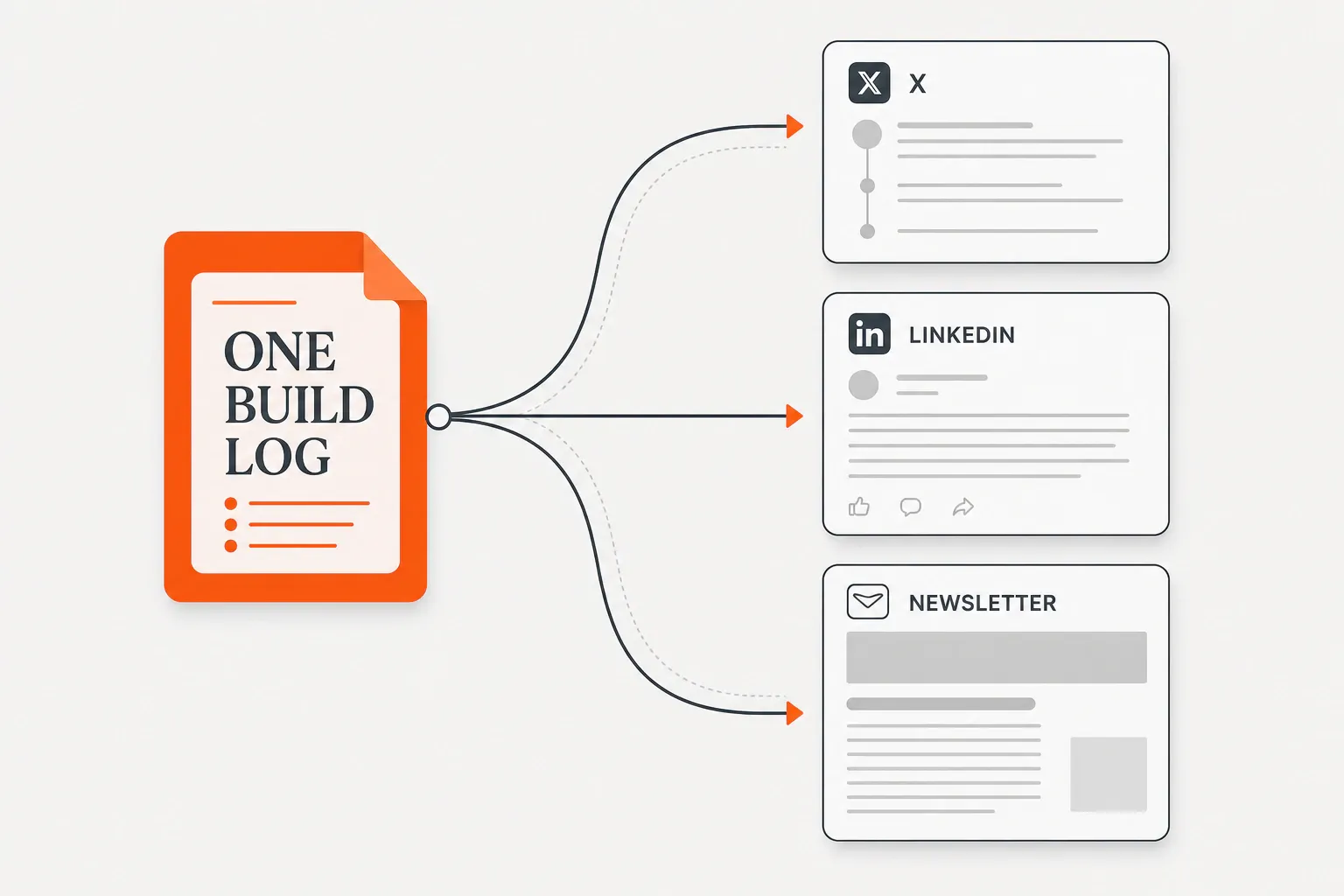
Build in Public Across Platforms: One Build Log, Native Posts for X, LinkedIn, and Your Newsletter
Cross-posting the identical update to X, LinkedIn, and your newsletter underperforms on all three, because each platform rewards a different format and serves a different goal....
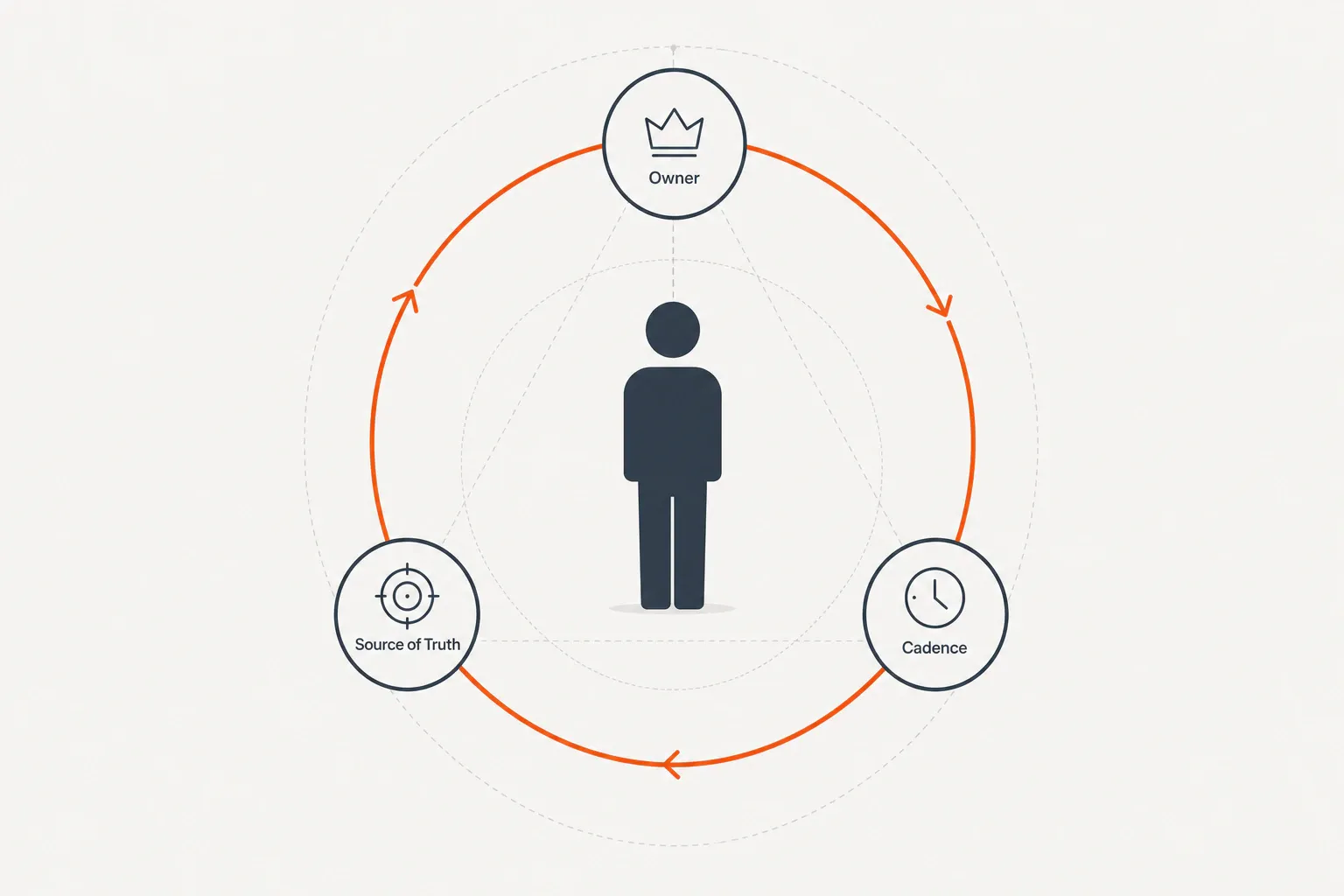
How to Grow a Startup in 2026 When You Have No Growth Pod: A Buyer's Guide for Teams of One
The 2026 consensus is that growth compounds from an operating model — one accountable owner, one source of truth, one cadence — not a channel list. But that advice assumes a cro...

Build in Public, Day One: A Founder's First-90-Days Starter System
Most founders agree build in public works, then freeze at the blank post box. This is the on-ramp: a get-started system to pick one channel, a handful of repeatable post types,...

Grow a Startup in 2026: A Buyer's Guide to Choosing Your Growth Sequence and Stack
Most 'grow startup' advice is a tactics dump. In 2026, the real constraint is choosing a sequence and a lean stack. This buyer's guide breaks growth into three decisions — activ...
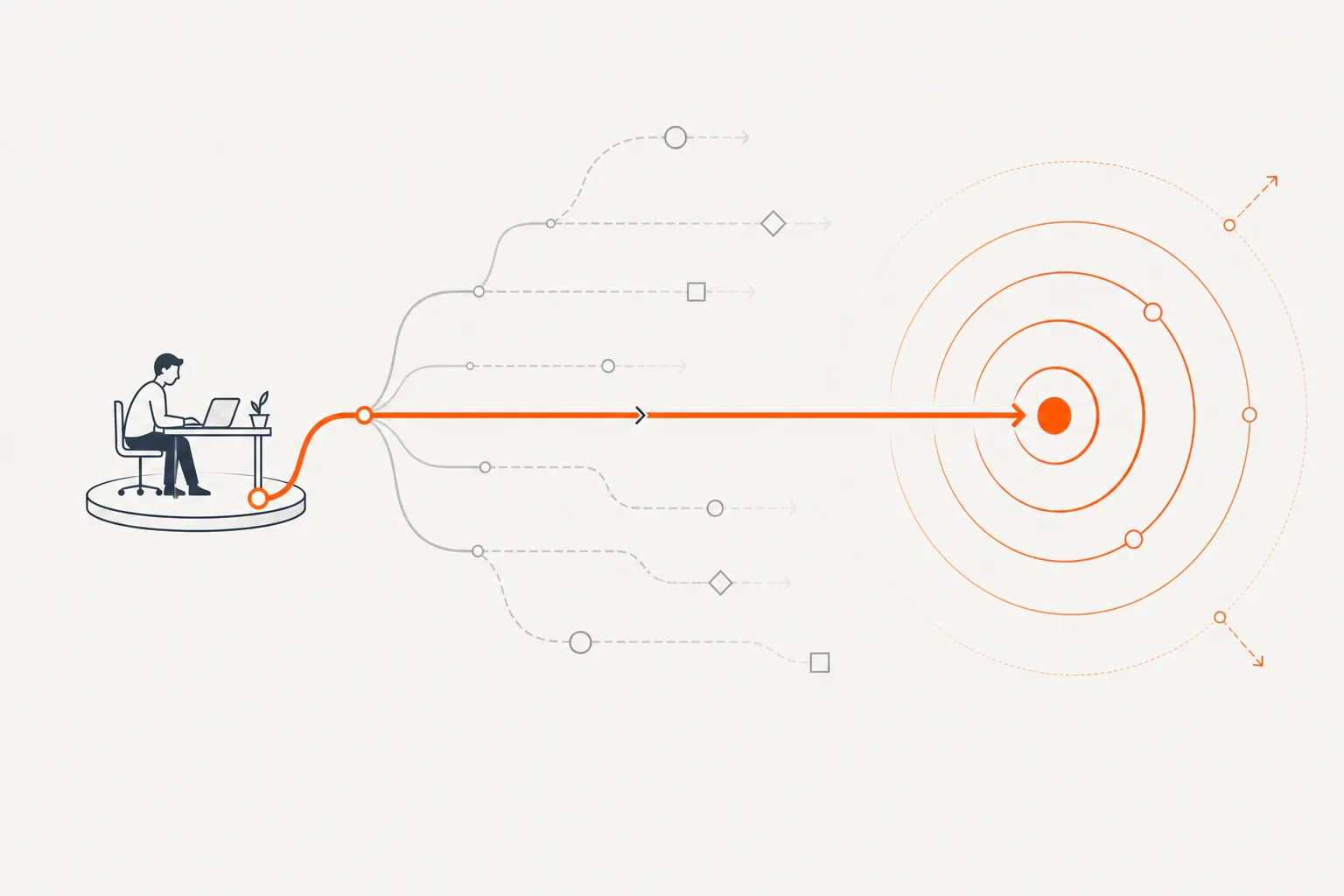
Bootstrap Marketing: A Founder's Distribution System for Growing Without an Ad Budget
On no budget, your real constraint isn't money — it's focus, speed, and message clarity. This guide reframes bootstrap marketing as a focused distribution system: why organic-fi...
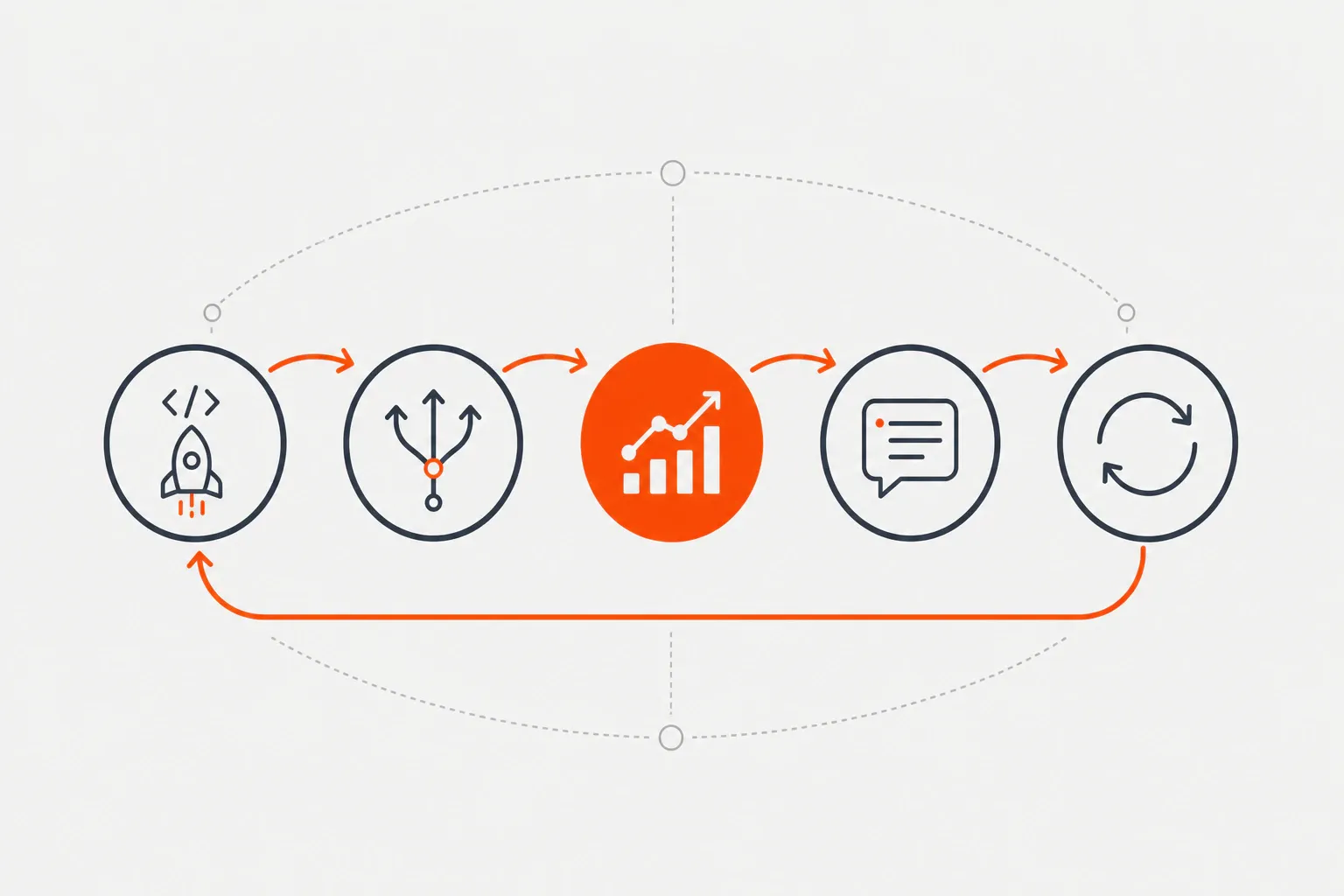
Build in Public, Run as a System: The Founder's Weekly Loop for 2026
Build in public rarely fails on concept; it fails on consistency. This guide reframes it as a weekly operating loop — pick one transparency layer, capture raw build material, co...
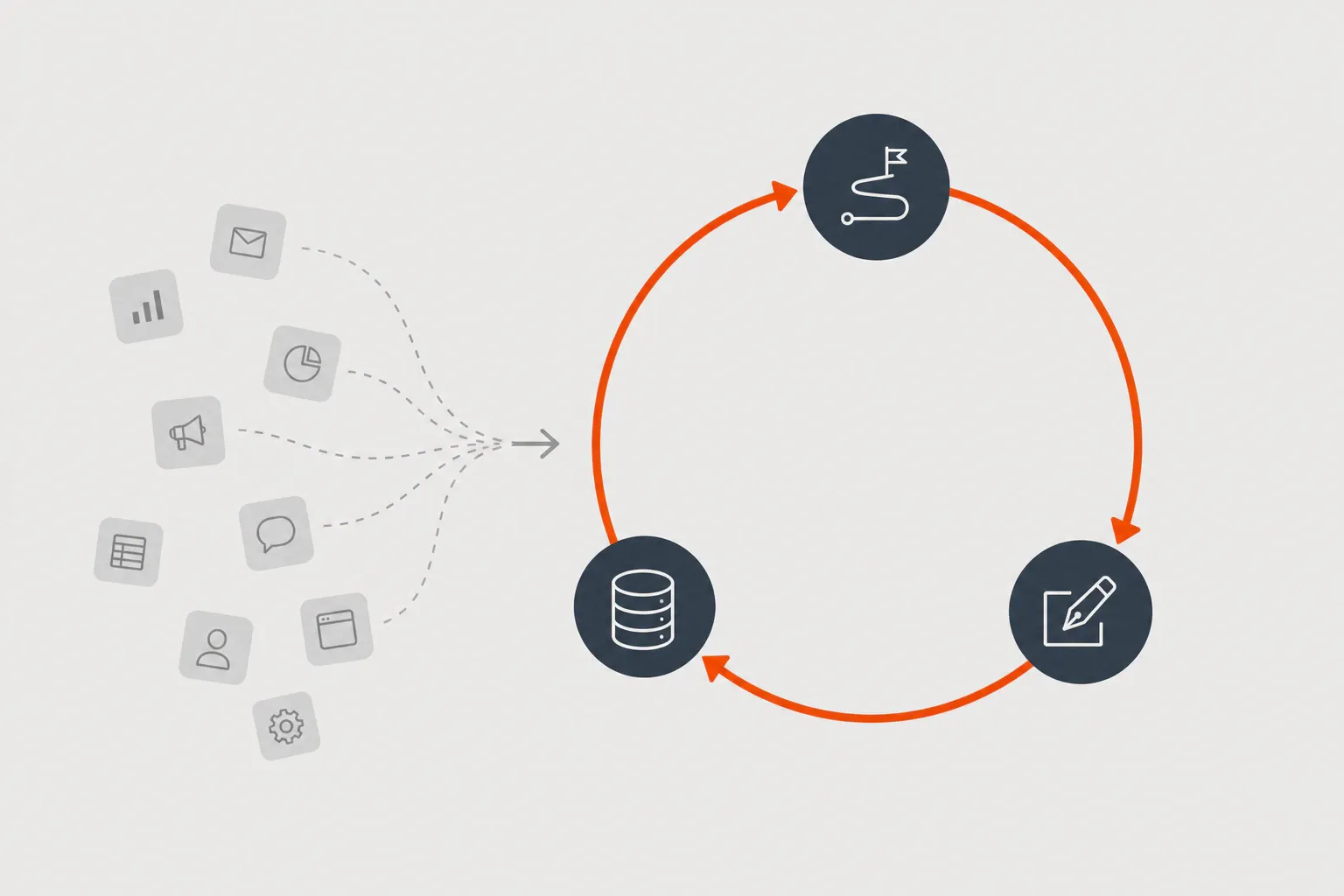
How to Grow a Startup in 2026: A Founder's Buyer's Guide to Building a Growth System (Not Buying More Tools)
Most founders try to grow a startup by adding tactics and tools. In 2026, growth is won by building one tight, repeatable system — one acquisition loop, fast activation, early r...

Bootstrap Marketing: A Founder's No-Budget Growth System for 2026
Bootstrap marketing isn't about being clever with no money — it's about building a distribution system of compounding, owned channels. Here's how to pick one channel for 60–90 d...
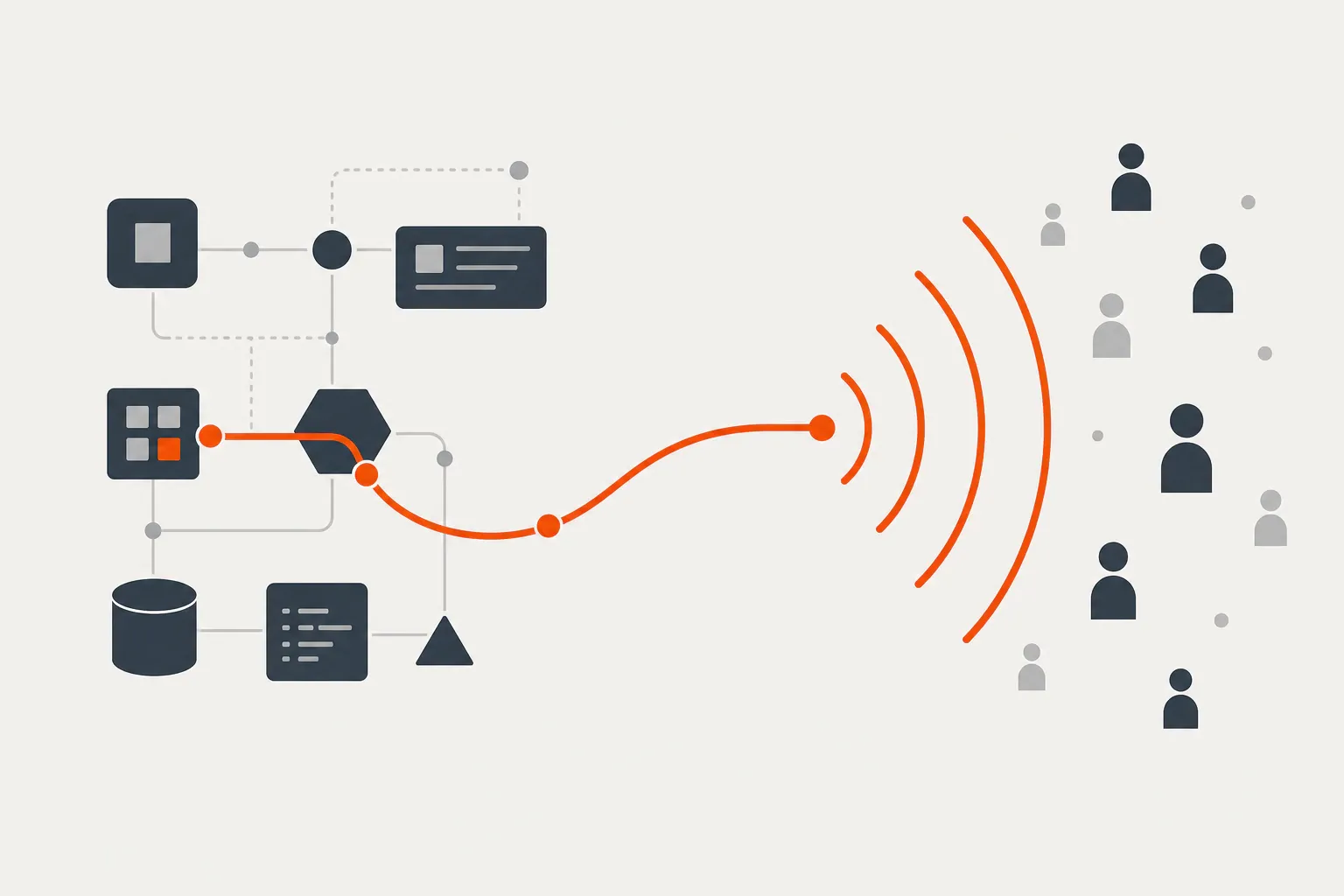
Build in Public in 2026: A Founder's Playbook for Turning Building Into Distribution
The lazy 'MRR screenshot every Friday' version of building in public is saturated. The version that still works shares specific decisions and the workflow behind them. Here's a...